

Dette er den mest omfattende biografi der eksisterer i øjeblikket på nettet. Den opridser nogle af de vigtigste træk i hans arbejde, personlighed og private liv.
Samlet og oversat af Hanne Lund Birkholm og Kenneth Sørensen
Roberto Assagioli var meget tilbageholdende med at lave interviews om sit liv, da han mente, at det var forkert at fokusere på ham som person, frem for udviklingen af psykosyntesen. Under pres fra sine kolleger indvilgede han imidlertid i slutningen af sit liv i at få lavet en biografi, og valgte Boston psykoterapeuten Eugine Smith til at lave den. Assagioli døde kort tid efter i 1974, og biografien blev aldrig lavet. Så det vi ved om Assagiolis personlige liv og i det hele taget, har vi fra hans egne publikationer og fra mennesker, som har arbejdet sammen med ham eller på anden måde har haft kendskab til ham.
Hovedtræk i Assagiolis opvækst og ungdom
Roberto Marco Grego blev født i Venedig i Italien den 27. februar 1888, hvor han tilbragte sin barndom. Faderen døde da Roberto var 2 år, og hans mor Elana Kaula (1863-1925) giftede sig igen i 1891 med doktor Alessandro Emanuele Assagioli, hvorfra Roberto fik sit efternavn.
 Assagioli voksede op i et velstående jødisk hjem med interesse for kunst, musik og litteratur, og hvor han modtog privatundervisning, som det var typisk for den tids miljøer. Hans behov for skønhed, kunst og musik blev således tidlig stimuleret og ses også tydelig, at være en del af grundlaget i psykosyntesen.
At hans store interesse for de østlige filosofier og dermed menneskets højere åndelige potentialer også blev vakt tidligt, skyldes måske at hans mor studerede teosofi. Teosofi er en filosofi som blev formuleret i slutningen af 1800-tallet og udviklede sig til en bevægelse, som indledtes i Nordamerika og siden bredte sig til Europa. Filosofien er endnu ældre, idet den har rødder tilbage til tidlige mystiske traditioner fra både øst og vest.
I hjemmet taltes der italiensk, engelsk og fransk. Han var et nysgerrigt og videbegærligt barn og lærte sig senere at tale græsk, latin, tysk, russisk, og sanskrit inden han var 18 år gammel. Han elskede at skrive og formulere sig, og allerede som femtenårig publicerede han artiklen Ubevidste ønsker og bevidst arbejde i tidsskriftet Giornale di Venezia.
Han blev tidligt påvirket til at interessere sig for internationale forhold og rejste meget, også alene. Allerede som 17-årig rejste han til Rusland og oplevede den russiske revolution. Denne oplevelse var med til at præge hans idealer om frihed skabt ved ikke-vold og ikke-dogmatiske samfundssystemer. Gennem sine mange rejser så han, at mennesker er de samme uanset hvilket land de kommer fra og at der dybt i alle mennesker findes en længsel efter at udvikle deres højeste potentiale.
 Hans forældre flyttede i 1904 til Firenze, hvor han boede det meste af sit liv, så Assagioli kunne studere på det medicinske fakultet, Istitutio di Studi Superiori, hvorfra han modtog sin medicinske grad med speciale i neurologi og psykiatri.
Efter 1. verdenskrig boede og arbejdede han nogle år i Rom, hvor han giftede sig med Nella i 1922. De fik en dreng samme år, som blev døbt Ilario Assagioli. Deres ægteskab var nært og kærligt og varede i 40 år til hustruens død i 1963.
Assagiolis uddannelse og første artikler
I 1907 påbegyndte han sin afhandling som han i en alder af 21 år fuldendte under titlen: Psykoanalyse – en introduktion til Freuds videnskabelige opdagelser, hvor han også fremlagde en vision om en holistisk tilnærmelse til psykologien med fokus på menneskelig vækst og menneskets erfaringer med de spirituelle dimensioner. Målet med den holistiske tilnærmelse var at leve et mere fuldstændigt og rigt liv og som han selv siger: ”At leve så godt man kan og se på sig selv med et smil.”
Næsten samtidig færdiggjorde han en kritisk artikel om psykoanalysen , som han opfattede som begrænset og ufærdig. Men han var dybt engageret i udforskningen og udviklingen af Freuds opdagelser om barndommen og det ubevidste. I et interview af Sam Keen fra Psychology Today, december 1974, svarer han på spørgsmålet om de største forskelle på psykosyntesen og psykoanalysen: “Vi lægger meget større vægt på det højere ubevidste og på udviklingen af det transpersonlige Selv . I et af sine breve skrev Freud, ”Jeg er kun interesseret i menneskets kælderetage.” Psykosyntesen interesserer sig for hele bygningen. Vi forsøger at bygge en elevator som kan give personen adgang til alle niveauer af personligheden. Ærlig talt, så er en bygning med kun kælderetage meget begrænset. Vi ønsker at åbne op til tagterrassen, hvor man kan solbade og kigge på stjerner.” Læs: Roberto Assagiolis gyldne middelvej
Hans kritik gik hovedsagelig på, at psykoanalysen var for fokuseret på det patologiske i mennesket frem for at studere og styrke det raske, som en vej til heling og helbredelse. Endvidere mente Assagioli at den menneskelige bevidsthed rummede flere bevidsthedslag end Freud opererede med. Han arbejdede på at skabe en psykologi som rummede såvel drifterne, som kærlighed, vilje , kreativitet, visdom og åndelighed. Med andre ord, en psykologi med fokus på det hele menneske.
I samme periode, hvor han skrev på sin doktorafhandling, havde han sin psykiatriske praktik på San Salvis psykiatriske sygehus.
I 1909 fik han udgivet sine nye ideer i tidsskriftet, La Psicologia delle idee-forze e la Psicagogia. Det akademiske miljø på dette tidspunkt, var meget tilbageholdende med at acceptere Assagiolis hypoteser.
Allerede i begyndelsen af 1900-tallet udgav han flere artikler som grænsede op til både medicin, pædagogik, filosofi, kultur og religion, og som senere kom til at udgøre grundlaget i psykosyntesen. I 1906 udgav han sin første omfattende artikel om psykosyntese i Farraris tidsskrift, inspireret af Freuds artikel: Jokes and their relation to the unconscious, med titlen: Gli effetti del riso e le loro applicazioni pedgoiche. Den handlede om latterens betydning og dets forhold til undervisning. Artiklen er i dag kendt som, Smilende Visdom.
 Assagioli havde en bred interesse for filosofi og kultur og var med i en del grupper af unge liberale fritænkere i datidens Firenze. Han var et af de mest aktive redaktionsmedlemmer på kulturtidsskriftet Leonardo i Firenze frem til 1907. Tidsskriftet, som var mødested for de unge intellektuelle i Firenze, blev grundlagt i 1903 af en af hans nære venner, selvlærd forfatter og intellektuel Giovanni Papini. Billedet th: Redaktionen på Leonardo, Assagioli, Papini og Vailati
Assagioli havde tidlig en åbenbar fornemmelse af, at mennesket ikke er et højtstående dyr eller en maskine. Det stod I modsætning til den herskende opfattelse, som var, at medicin og psykologi kunne opfattes på lige fod med andre tekniske områder.
I 1911 begyndte han at formulere psykosyntesens begreber og fortsatte med at dedikere hele sit professionelle liv til dette arbejde.
Psykiatrisk karriere og udvikling af psykosyntesen
 Efter endt studie i 1910 studerede og trænede Assagioli psykiatri i Schweiz hos Eugen Bleuler på det psykiatriske sygehus Burghölzli i Zürich. Bleuler var den pioner, som definerede skizofreni og var en af de første læger, der accepterede psykoanalysen. Samtidig åbnede Assagioli som den første psykoanalytiker praksis i Italien. Han var efter sigende ikke tilfreds med hverken sit arbejde eller resultaterne af sit kliniske arbejde. Parallelt med sine studier hos Bleuler videreudviklede han sin psykologi i Italien, som han i første omgang kaldte for bio-psykosyntese og senere psykosyntese. Han var ikke den første som anvendte ordet, psykosyntese, det blev også brugt af Bezzola.
I sin tidlige kliniske praksis anvendte Assagioli psykoanalytiske teknikker, men hans vision af mennesket tilskyndede ham til at udarbejde et større sammenhængende begrebsapparat, der kunne inkludere kærlighed, visdom, kreativitet og vilje. Hans holdning var ikke, at psykoanalysen var en forkert opfattelse, men snarere at den var ufuldendt.
Allerede mens han arbejdede i Zürich, fordybede han sig i psykologiske studier med speciel interesse for William James og Henri Bergsons arbejde. Her mødte han Carl Gustav Jung og blev gode venner med ham. Ifølge Assagioli var det Jungs psykologi der stod psykosyntesen nærmest. Læs: C.G. Jung og Psykosyntese
Assagioli var som den eneste italiener en del af Freud Society i Zürich, som bestod af pionerer indenfor psykoanalysen. Endvidere var han medlem af International Psychoanalytic Society. Han var dybt engageret i udforskningen af psykoanalysen og det ubevidste og bidrog sammen med Freud og Jung til forordet i den officielle Årbog for psykoanalyse og psykopatologisk forskning, i hvilken han også skrev en artikel med titlen: ”Freuds teorier i Italien”. Han leverede artikler og kommentarer til Freuds andet tidsskrift, Psykoanalyse. Han startede en studiegruppe med 19 medlemmer for at fordybe sig i forståelsen af den menneskelige psyke.
I et offentliggjort brev fra Jung til Freud, fremgår det, at der var en forhåbning om, at Assagioli skulle bringe psykoanalysen til Italien:
”… Vores første Italiener, Dr. Assagioli fra den psykiatriske klinik i Firenze, er et meget behageligt og måske værdifuldt bekendtskab. Prof. Tanzi (Professor ved universitetet i Firenze, red.) tildelte ham vores arbejde til en afhandling. Den unge mand er meget intelligent og virker ekstremt vidende og er en entusiastisk tilhænger, som træder ind i det nye territorium med den rette vitalitet. Han ønsker at besøge dem næste forår.” Kilde: Roberto Assagioli 1888-1988, udgivet af det italienske psykosyntese institut.
Assagioli mødte imidlertid aldrig Freud personligt, men skrev med ham.
 I psykoanalysens historie optræder hans navn som en af de første italienske pionerer. Det alene gjorde ham opsigtsvækkende i en tid hvor alle former for studiet af menneskets indre opfattedes med skepsis. Derudover arbejdede han, som vi har set, parallelt med at udvikle psykosyntesen. Sine ideer og tanker fik han blandt andet formidlet via sit tidsskrift, Psyke (Psiche) i perioden 1912-1915, hvor det måtte lukke ned på grund af krigen. Hans artikler blev senere udgivet i et andet tidsskrift som hed Ultra og siges at have haft en eksplosiv effekt på datidens kultur. I Psiche udgav og oversatte han de første af Freuds skrifter på italiensk, godkendt og autoriseret af Freud.
Under 1. verdenskrig gjorde han militærtjeneste som læge og psykiater.
Psykosyntesen udvikles
I 1926 oprettede Assagioli det første institut, Istituto di Cultura e Terapia Psichica, i Rom, som senere blev til Istituto de Psicosintesi. I invitationen til indvielsen fremgår det, at hans indvielsestale vil handle om hvordan viljen kan udvikles. Den ene af hans to vigtigste bøger fik senere titlen, Viljens Psykologi. Men den blev først udgivet kort inden hans død i 1974. I 1927 udgav skolen en bog som hed, A New Method of Treatment – Psychosynthesis. Og i 1933 får han tilladelse til at kalde sin skole i Firenze for, Istituto de Psicosintesi. Instituttet blev ledet af comtesse Spalletti Raspoini, som også var præsident i TheNational Council of Italian Women.
I 1928 holder han en forelæsningsrække på instituttet – The energies latent in us and their use in education and in medicine – som kommer til at udgøre det teoretiske grundlag for arbejdet med indre modpoler. Kort fortalt arbejdes der i psykosyntesen ud fra den hypotese, at enhver følelse eller reaktion har en modpol, som der arbejdes på at forene og skabe en syntese imellem. Den der fremkalder syntesen er det aktive handlende jeg – iagttageren -den styrende faktor i mennesket og senere det højere Selv.[1]
Assagioli var enig med Freud i, at healing af barndommens traumer og udviklingen af et sundt ego var nødvendige mål. Men hele hans arbejde gik i store træk ud på at vise, at den menneskelige udvikling ikke stopper der, og at det raske menneske har et potentiale for udvikling, som Maslow senere betegnede som selv-aktualisering . Assagioli gik videre end det og ønskede at vise, at det menneskelige potentiale også rummer mulighed for erfaringer med spirituelle og transpersonlige dimensioner.
Psykosyntesen bliver derved den tidligste forløber for 1960’ernes humanistiske og transpersonlige psykologi, som udgør den 3. og 4. bølge i den vestlige psykologis historie.
På den baggrund bliver han medredaktør på både Journal of Humanistic Psychology og Journal of Transpersonal Psychology.
Det var vigtigt for Assagioli at psykosyntesen blev betragtet som et åbent psykologisk system i fortsat udvikling, frem for en religiøs lære eller filosofisk doktrin. I hans første bog Psykosyntese, skriver han: ”Psykosyntese sigter ikke på eller endog forsøger at give en metafysisk eller teologisk forklaring på det store mysterium – den leder til døren, men stopper der”.
Det var derfor også vigtigt for ham, at de forskellige skoler og institutter, som opstod rundt omkring i USA og Europa, var selvstændige og ikke styret centralt. Han var ikke det mindste interesseret i at lede nogen form for bevægelse eller organisation og nægtede at have administrativ kontrol med udviklingen af psykosyntesen.
Assagiolis grundsyn indbefatter både individet og samfundet med fokus på syntese og helhed frem for analyse og opdeling i mindre enheder. Assagioli forsøger at skabe en psykologi, hvor der er en syntese mellem østerlandsk mysticisme og filosofi og den vesterlandske psykoanalyse og logiske tænkning. Det var vigtigt for Assagioli at psykosyntesen forblev videnskabelig.
Assagiolis inspirationer
Assagioli var, ligesom C.G. Jung, påvirket af østlig og vestlig mysticisme og esoterik. Som nævnt var hans mor og tilmed hans hustru begge teosoffer. Og teosofiens udspring fra især den hinduistiske/nyplatoniske tradition er også central for hans tænkning. Slægtskabet med de østlige og vestlige mysterietraditioner er tydelige i forhold til hans opfattelse af Selvet , som i høj grad ligner Østens beskrivelsen af Atman. For Assagioli er Selvet en kerne af bevidsthed og vilje, som ikke er kroppen, følelserne og tankerne. Selvrealisering er for Assagioli endvidere en bevidsthedsmæssig evolution, hvor højere og højere bevidsthedsudvidelser fører til forening med det Universelle Selv. Disse tanker er også karakteristiske for de østlige yogatraditioner. Det nyplatoniske slår igennem i hans forestilling om emanation. I hans bog: Transpersonlig Udvikling skriver han:
”Vi er nu nået til den femtende symbolgruppe, der illustrerer den genopstandelse og tilbagevenden, der omtales i evangelierne som “den fortabte søn vender tilbage til sin Faders hus”. Dette er en tilbagevenden til et tidligere stadie og markerer en tilbagevenden til den oprindelige og primære væren. Det forudsætter en teori om sjælens emanation, sjælen, der stiger ned og bliver ét med stoffet og derefter vender tilbage til sit “hjem” i Himlen – ikke som den var forinden, men nu beriget med erfaringer af selverkendelse, der blev udviklet og modnet gennem kampe og konflikter.”
Assagioli har dog også talrige henvisninger til vestlige mystikere, herunder Johannes af Korset og Frans af Assisi. Indenfor Vestlig psykologi er der ingen tvivl om at William James, C.G. Jung og Viktor Frankl var nære åndsbeslægtede fæller. I hans forståelse af de patologiske tilstande i det lavere ubevidste trak han hele livet på mange af de psykodynamiske teorier. Han mente, at der forud for den spirituelle udvikling måtte gennemføres en psykoanalyse – ikke i klassisk forstand – men en dybdepsykologisk transformation.
 Men når vi skal fastslå, hvor hans egentlige åndelige tilhørsforhold lå, så står teosofien stærkest. Han var en af esoterikeren Alice Baileys nære venner og tilsluttede sig hendes Arcane School allerede i starten af trediverne. Assagioli skrev blandt andet forordet til den italienske udgave af Alice Baileys kommentar til Patanjalis Yoga Sutraer.
Det var ikke noget han ønskede for meget opmærksomhed omkring, da han først og fremmest ønskede at blive opfattet som videnskabsmand. Da psykologen Jim Fadiman besøgte Assagioli i 1972 bemærkede han, at der hang et portræt af Madame Blavatsky, stifteren af teosofien, i hans venteværelse. På spørgsmålet om hvorfor det var nødvendigt at være tavs omkring hans esoteriske tilknytninger, udtalte Assagioli: ”Det er min religion og indtil jeg dør ønsker jeg tavshed omkring det”.[2]
At hans tro også indeholdt reinkarnation lagde han ikke skjul på. I et interview med Sam Keen fortæller han følgende:
”Døden er for mig først og fremmest som en ferie. Der er mange hypoteser om døden, og ideen om reinkarnation forekommer mig at være den mest fornuftige. Jeg har ikke nogen direkte viden om reinkarnation, men med min tro kommer jeg i godt selskab med hundreder af millioner af Østens mennesker, med Buddha og mange andre i Vesten.”
Men Assagioli skelnede klart mellem hans egen religion og hans arbejde som transpersonlig psykolog og psykiater. Han var ikke en intellektuel i ordets egentlige forstand, han var langt mere en mystiker og hans teorier om mennesket baserede sig i høj grad på hans egne indre oplevelser.
Vigtige udviklinger
 I 1930erne publicerede han flere artikler der senere indgik i hans første bog: Psykosyntese fra 1965. Blandt dem de måske to vigtigste artikler om psykosyntese der findes: Dynamisk psykologi og psykosyntese og Selvrealisering og psykologiske forstyrrelser. I artiklen, Dynamisk psykologi og psykosyntese, fra 1933 præsenterede han for første gang dels sit ovaldiagram eller som det også kaldes, ”æg-diagrammet”, som et billede på den menneskelige psyke, hvor forholdet mellem det bevidste, det ubevidste og det kollektive ubevidste skitseres og dels stadierne i psykosyntese. Den anden artikel handler om kriser i forbindelse med spirituel udvikling og er udgivet i bogen: Transpersonlig Udvikling.
I 1938 blev Istituto de Psicosintesi i Firenze lukket af Mussolinis fascist regering, der var kritisk overfor Assagiolis jødiske baggrund, hans humanisme og internationale sindelag og han blev samme år arresteret, fængslet og anbragt i isoleret fangenskab i en måned.
Dette skulle vise sig også at få betydning for psykosyntesens videre udvikling. Han skulle have fortalt sine venner, at fængselsopholdet var en interessant og værdifuld oplevelse, som gav ham mulighed for at udøve specielle psyko-spirituelle øvelser. Som udgangspunkt følte han sig magtesløs, men gjorde sig en vigtig erkendelse om viljen. Han opdagede hvordan han virkelig kunne vælge, hvordan han ville forholde sig tilfængslingen.
Han forvandlede fængslingen til en gunstig mulighed for at udforske de indre bevidsthedsområder ved at meditere flere timer dagligt og skrive artikler om sine erfaringer. Han fortalte senere, at aldrig før havde han følt en sådan fred og nydt at være i live på en sådan måde. Ved tidspunktet for sin død arbejdede han på en artikel der behandlede denne oplevelse med titlen: ”Frihed i fængsel”.
Årene under 2. verdenskrig var hårde for familielivet idet Assagioli levede under jorden og ofte måtte sove i det fri. I 1943 blev han igen aktivt forfulgt og måtte gemme sig i fjerne bjergegne. Her fandt han sammen med en engelsk faldskærmssoldat og flere bortløbne fanger. Han havde to faretruende flugtepisoder fra Nazi-Fascisterne som var efter ham personligt. De plyndrede og ødelagde hans families landejendom nær Firenze. [3]
Livet under anden verdenskrig var formentlig med til at svække både hans eget og hans søns Ilarios helbred, således at hans søn allerede som 28-årig døde af en svær lungesygdom.
Da krigen var slut i 1945 kunne Assagioli genoptage sit arbejde med at sprede og udvikle psykosyntesen. Og The Institute of Psychosynthesis blev reetableret i Firenze, hvor det fortsat opererer den dag i dag. I 1951 stiftede han The Italien Union for progressive Judaism under World Judaism Union for Progressive Judaism. Den var baseret på en opfattelse af åbenhed og af forståelse og samarbejde med andre mennesker og religioner med det formål at skabe en organisk og kreativ syntese af hele menneskeheden.
Psykosyntesen begyndte at sprede sig til USA og Europa i årene efter krigens afslutning. I 1957 blev The Psychosynthesis Research Foundation stiftet i Delaware USA. Det blev senere overflyttet til New York og denne fond udgav adskillige af Assagiolis artikler på engelsk. I 1958, i forbindelse med Roberto Assagiolis besøg, blev der oprettet en skole i Valmy USA med psykosynteseuddannelse og psykosyntese forskning. Psykosynteseskoler blev siden hen endvidere oprettet mange steder i USA, Schweiz, Østrig og Storbritannien. Assagioli havde i disse år et godt samarbejde med A. Maslow, hvis artikel The Creative Attitude blev udgivet af ovenstående fond.
 I 70’erne og 80’erne ekspanderede psykosyntesen i Nordamerika og Europa. Mange forskellige skoler opstod hvoraf flere af dem senere er blevet lukket. I dag er det muligt at tage en MA i psykosyntese fra de to institutter i London.
I Skandinavien er der Psykosyntese institutter i såvel Sverige, Norge, og Finland.
I dag er Psykosyntesen endvidere godkendt i den europæiske sammenslutning for psykoterapier EAP og har sin egen paraplyorganisation under EAP, som kaldes for European Federation for Psychosynthesis Psychotherapist.
I løbet af sin karriere skrev Assagioli flere hundrede artikler og essays, hvoraf mange er blevet oversat til flere sprog. Der findes et stort udvalg af disse på www.psykosyntese.dk. De mest kendte af hans bøger er Psykosyntese, som udkom i 1965 og Viljens Psykologi fra 1974. Han arbejdede på en bog op til sin død, som efterfølgende blev udgivet under navnet: Transpersonlig Udvikling. Derudover er der udgivet en mindre bog: Psykosyntesens Typologi, hvor skitsen til hans psykosyntese typologi er udformet. Alle fire bøger er i dag oversat til dansk og sælges fra Kentaur forlag: www.psykosyntese.dk
I 1994-1995 blev International Psychosynthesis Directory udgivet og der var på daværende tidspunkt 107 psykosyntese institutter i 32 lande. Nogle er formentlig lukket og atter andre kommet til siden da.
Piero Ferrucci om Assagioli
Lad os afslutte denne biografiske beskrivelse af Assagiolis liv og arbejde med en udtalelse af Piero Ferrucci, som var en af Assagiolis studerende og selv er en prominent lærer og forfatter. Han er vel den person, som kendte Assagioli bedst på grund af hans flerårige samarbejde med ham. Han er blandt andet forfatter til Bli den du er, og Inevitable Grace.
I sit forord til, A Psychology With a Soul af Jean Hardy, skriver Piero Ferrucci:
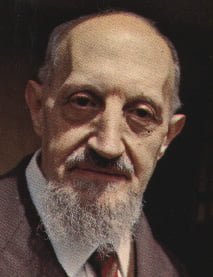 “Så vidt jeg ved, er Roberto Assagioli det eneste individ der personligt har deltaget aktivt i udfoldelsen af to forskellige og fundamentale revolutioner inden for det 20. århundredes psykologi.Den første revolution var fødslen af psykoanalysen og dybdepsykologien i begyndelsen af århundredet. Assagioli var på det tidspunkt en ung medicinstuderende, der præsenterede sin doktorafhandling om psykoanalyse, skrev i den årlige Jahrbuch, side om side med Freud og Jung og var en del af the Zurich Freud Society, der udgjorde gruppen af de tidlige psykoanalytiske pionerer.
Ideen om de ubevidste processer i sindet gjorde et varigt indtryk på ham, et indtryk som han senere udviklede til en række hypoteser, som gik langt udover rammerne for ortodoks psykoanalyse.
Den anden revolution som Assagioli deltog i var skabelsen af den humanistiske og transpersonlige psykologi i 1960erne. A.H. Maslow var pioneren bag disse nye udviklinger. Hovedideen var simpel: I stedet for at fokusere på sygdomme, som en måde at definere mennesket på (som psykoanalysen alt for ofte har gjort), eller på de strukturelle ligheder mellem menneskers og dyrs nervesystemer (som behaviorismen foreslog), var det humanistiske og transpersonlige syn, at man hovedsageligt skulle betone organismens stræben mod helhed, på menneskets potentiale for vækst, udvidelse af bevidstheden, sundhed, kærlighed og glæde uden at fornægte de andre skolers opdagelser. Rigdom i kontraster og udvekslinger var særdeles vigtigt for Assagiolis baggrund: Betragt sådanne forskellige bekendtskaber (nogen af dem korte andre blivende) som den italienske idealist Benedetto Groce, den russiske esoteriker P.D. Ouspensky, den tyske filosof Hermann Keyserling, Indiens poet Rabindranath Tagore, sufi mystikeren Inhayat Khan, Zen forskeren D.T. Suzuki, Tibet opdagelsesrejsende Alexandra David Neel plus psykologen Viktor Frankl, stifteren af Logoterapi, Robert Desoille, skaberen af den guidede dagdrøm og C.G. Jung før og efter sit brud med psykoanalysen. Sådanne kontraster, kombineret med et liv fuld af eksperimenter og refleksioner, skabte utvivlsomt vide perspektiver for Assagiolis egen skabelse, det han kaldte psykosyntesen.”
Kilder:
1. Assagioli, Roberto , Life As a Game And Stage Performance. Psychosynthesis Training Center, 1983.
2. Ferrucci et. Al, Roberto Assagioli 1888-1988, Instituto di Psiconsintesi, 1988
3. Firman, John, Vækstens dimensioner,
4. Firman, John, A psychology of the Spirit, Suny, 2002
5. Hardy, Jean, A Psychology With a Soul, Woodgrange Press, 1996
6. Keen, Sam, Assagiolis Gyldne Middelvej, Psychology Today, December 1974, http://www.psykosyntese.dk/a-103/
7. Löfwendahl, Peter, Upptäck Psykosyntesen, Huma Nova Förlag, 2003.
8. Russell, Douglas, Psykosyntese og vestlig psykologi,
9. Schuller, Michael, Psychosynthesis in North America, hæfte 1988 udgivet af forfatteren
10. Ukendt, In Memoriam: Roberto Assagioli (1888-1974), Synthesis Journal II,1975
[2] Psychosynthesis in North Amerika, Michael Schuller, 1988, p. 53.
[3] Ifølge Dane Rudhyar i Astrology and the Modern Psyche.
Sådan kan du komme videre
Her kan du modtage syv gratis meditationer, hvor du udvikler forskellige sider af dig selv
Læs også artiklen Psykosyntese en integral psykologi og biografien om Roberto Assagioli
Læs introartiklen om integral meditation
