

Hvad er inspiration og hvordan kan man definere dens fremtrædelsesformer? Med udgangspunkt i Roberto Assagiolis bog: Transpersonlig Udvikling gives der i denne artikel et bud.
Af Kenneth Sørensen
Vi er mange der kender det – oplevelsen af at være i kontakt med noget ”større”, noget meningsfuldt, måske formålet med livet. Disse øjeblikke af inspireret opløftelse, hvor vores liv eller problemer løftes ud af deres hverdagssammenhæng og ind i et nyt lys, står ofte som vigtige milepæle i vores liv. Jeg havde selv en oplevelse for omkring 2 år siden, hvor mit liv tog en uventet drejning efter at en spontan tanke pludselig oplyste min bevidsthed med fuldkommen klarhed. Jeg havde på det pågældende tidspunkt besluttet at søge ind på en uddannelse som web-programmør og havde allerede været i kontakt med uddannelsesstedet og fået det finansieret i banken.
En pragtfuld forårsdag i maj cyklede jeg langs søerne i København på vej til meditation – det var en af de dage, hvor luften emmede af vitalitet og overskud, hvilket gav mig en fornemmelse af ubesværet bevægelse gennem trafikken. 200 meter fra min destination slog en tanke så klar og uimodståelig sand ind i min bevidsthed – ”du skal ikke være webprogrammør”. Kort og godt, ingen forklaringer, ingen diskussioner, kun en oplevelse af indlysende sandhed, der fik mig til at bryde ud i en storslået latter over min tåbelige vildfarelse. Set i det nye lys var det indlysende klart, at jeg ikke egnede mig til hardcore venstrehjernehalvdels studier. Uddannelsesvalget faldt senere på voksenpædagogik.
Men hvad er inspiration – er det muligt at definere det?
Roberto Assagioli giver i sin bog ”Transpersonlig Udvikling” en række spændende definitioner på inspiration, som jeg vil tage udgangspunkt i.
Storslået inspiration
 Set i lyset af de storslåede tænkere og kunstneres inspirationer er det klart at min egen oplevelse kun er en blafrende flamme. Assagioli fortæller, at Mendelssohn begyndte at komponere da han var fem. Haydn da han var fire og Mozart da han var tre. Ved den alder er den bevidste personlighed endnu ikke formet, så det kan under ingen omstændigheder være den der producerer. Det må være noget større der nærmest trænger sig ind i bevidstheden indefra. Mozarts kompositioner kom fx ind i hans bevidsthed fuldendt, uden behov for yderligere bearbejdelse. Det var blot at skrive indtrykket ned, således som han opfattede det.
Forfatteren George Sand betegner Chopins skabelse som ”spontan, mirakuløs, han fandt det uden at søge det, forvente det. Det kom ned komplet i et sublimt glimt.” Den store naturalist Buffon sagde: ”det er som at modtage et mildt elektrisk chok der slår dig i hovedet og i maven, såvel som tager kontrol over dit hjerte. Dette er genialitetens øjeblik” Forfatteren Larmartine sagde: ”Det er ikke mig der tænker, men ideerne der tænker i mig”. Kemikeren Kekule fortæller, hvordan han pludselig ser atomer danse foran sine øjne, hvilket gør det muligt at formulere hans atomare gruppe teori mens han går rundt på top-etagen af en London bus. Eksemplerne på inspiration er mangfoldige og betydningsfulde.
Kilden til inspiration
Set fra et mystisk perspektiv kan kilden til inspiration stamme fra mangfoldige indre planer og niveauer. Den transpersonlige psykologi vil blot betegne dem som kontakt med transpersonlige bevidsthedslag. Des “højere kilder” des mere omfattende vil inspirationen være. Det må være klart, at den inspiration der førte til formuleringen af begreberne ”frihed, lighed og broderskab”, der har formet betydelige dele af den vestlige civilisation, stammer fra højere lag end megen såkaldt kunstnerisk inspiration, der har mere begrænset indflydelse.
Oplevelsen af inspiration
Det der ofte kendetegner såvel inspiration som andre kontakter med de transpersonlige bevidsthedslag er den spontane nedstrømning af højere indtryk, der fører til en eller anden form for aktivitet – kunstnerisk kreativitet, videnskabelige opdagelser eller impulser til heroisk handling. Indtrykkene kan komme ned i rå form, bearbejdet eller fuldkommen færdige, som det ofte er tilfældet i musikkens verden.
Det er værd at bemærke, at fx geniale kunstnere ikke behøver at være specielt enestående personligheder i etisk og moralsk henseende. Det de ofte giver udtryk for, er en form for sublim specialisering indenfor et bestemt område, der skaber en fantastisk evne, men som ikke berører resten af adfærden, der kan være ganske middelmådig. Det er naturligvis nærliggende at inddrage reinkarnation og tidligere liv, som de perioder hvor den pågældende specialisering fandt sted. Selvom dette ligger uden for psykosyntesens og den transpersonlige psykologis område, så er det nærliggende at afsøge den slags reflektioner, for hvordan forklarer man ellers Mozarts genialitet i så tidlig en alder?
Den inspirative fase
Det er sjældent at inspiration og den kreative skabelse fungerer så gnidningsløst som fx i Mozarts tilfælde. Kreativitet har ofte et befrugtnings eller undfangelseselement på samme vis som skabelsen af en fysisk krop. Dette efterfølges af et svangerskab der kan være uproblematisk eller yderst smertefuldt at gennemleve for geniet, selvom det ikke nødvendigvis er således. Ofte tror geniet, at han lider af en kreativ blokering og anvender stimulanser for at presse inspirationen igennem, hvilket er meget uheldigt, da han i så fald ikke får kontakt med de højere planer. Det sidste led er fødslen og tilsynekomsten af ideen, den sande inspiration og produktet. Denne fase kan, som den fysiske fødsel, være en let eller meget kompliceret proces. Undfangelsen kan udløses af: 1) Ydre fysiske stimuli, 2) Indre ophobede psykologiske kræfter og 3) Indre telepatiske indtryk fra det kollektive ubevidste . Disse tre former for inspiration uddybes mere tydeligt i det følgende:
Inspiration fra ydre fysiske stimuli
Ind i mellem kan undfangelseselementet være en ydre påvirkningsfaktor, der pludselig udløser forestillingsevnen og fremkalder dybe følelser der muliggør at den overbevidstekreativitet igangsættes. Assagioli fortæller, at Forfatteren Alessandro Manzoni skrev sin ode ”Femte Maj” da bekendtgørelsen om Napoleons død nåede ham. Denne impuls (undfangelse) påvirkede stærkt hans psykologiske liv (svangerskab), og førte til inspiration og skabelse (fødsel) af sin ode.
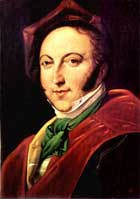 Assagioli giver et andet morsomt eksempel: Komponisten Gioacchino Rossini komponerede nogle af de mest glædesfyldte scener i sin opera Barberen i Sevilla, mens han var vred. Rossini var kendt for at være umådelig doven, og derfor var hans produktioner altid forsinkede. I forbindelse med opførelsen af denne opera, havde han næsten intet produceret da dagen nærmede sig, hvor værket skulle afleveres. Producenten, der vidste at Rossini var såvel grådig som doven, låste ham inde på et værelse og forbød ham at modtage mad før et vist antal sider var færdige. Som resultat skrev Rossini i sin seng, hvad han ofte gjorde, i en tilstand af vrede og ophidselse, hvorpå han kastede de færdige sider ud af vinduet, hvor skrivere afventede deres ankomst, så de derpå kunne kopieres.
Inspiration fra ophobede psykologiske kræfter
Ofte er den udløsende impuls en indre begivenhed i forbindelse med en stor psykologisk krise eller indre dynamisk tilstand. Fordi den indre tilstand ikke kan finde et ydre udtryk, sublimeres den over i en kreativ skabelsesproces. Den tyske digter Heine udtrykker det således: ”jeg udtrækker mine beskedne sange fra min store smerte”. Komponisten Wagner beskrev sin Tristan og Isolde som ”et monument til min kærlighed, der aldrig fandt tilfredsstillelse”.
Inspiration fra indre telepatiske indtryk
Adskillelige forfattere har oplevelsen af at deres frembringelser skriver sig selv. Dickens oplevede, at Mrs. Camp, efter sigende hans største skabelse, talte til ham, som regel når han var i kirke og med en stemme der var bydende. Den franske skuespilforfatter De Curel oplevede at hans karakterer blev levende i hans sind og talte og bevægede sig frit. Det var som at se det i en drøm. I denne fase skabte han ikke selv men genskabte blot hvad han så og oplevede.
Metoder til fremkaldelse af inspiration
Der findes flere metoder til at invitere inspiration ind i bevidstheden. Meditation på nøgleord og symboler er en kendt metode, der frugtbargør sindet , så det kan tiltrække nye kreative impulser.
Indenfor Roberto Assagiolis Psykosyntese arbejder man med en lang række teknikker, der kan frigøre overbevidste indtryk. Som en afslutning vil vi kort opridse dem og dermed antyde, hvordan vi kan optræne de kreative potentialer og fremme inspirationens betydning i vores liv:
Fri tegning er et glimrende redskab. Assagioli kalder metoden en af de simpleste og mest effektive. Det ubevidste kommunikerer primært i symboler og tegning er en metode, der benytter dette sprog. Roberto Assagioli fortæller: ”Fri tegning producerer ofte forbløffende resultater i form af reelle meddelelser fra det overbevidste”. At arbejde med tegning åbner for associerende helheder og inviterer desuden til at glemte aspekter i os kan komme til udtryk.
En anden metode er skrivning. Mange forfattere og skribenter oplever ofte forbløffende ting, når de påbegynder en artikel eller en bog. Nye ideer dukker op, som forfatteren ikke før var bevidst om, og de kan endog forbløffe forfatteren selv. Skrivning både organiserer og fortætter bevidsthedens indtryk, og dem der har prøvet at skrive dagbog ved sikkert hvor afklarende det også kan være, fordi det giver plads til nye indtryk.
Guidede forestillinger især med elementer af bestigning af bjerge eller bakker, hvor et vigtigt budskab skal modtages er også særdeles effektive. Bevidstheden gør sig åben, fordi bjerge og høje steder umiddelbart forbindes med udsyn, klarhed og overblik, kombineret med en frihed fra alt for personlige og individuelle associationer. Udsigt og panoramisk udsyn inviterer til en modtagelighed for det i os alle, som er forbundet med den højere virkelighed, det sublime.
Sådan kan du komme videre med inspiration
Her kan du modtage syv gratis meditationer, hvor du udvikler forskellige sider af dig selv
Læs også artiklen Psykosyntese en integral psykologi og biografien om Roberto Assagioli
Læs introartiklen om integral meditation
