

Artiklen fortæller hvordan de forskellige nationer er farvet af hver deres energityper og hvorledes hele samfundslivet er farvet af de syv livsenergier i alle deres forskellige områder.
Af Søren Hauge
Energityperne er altid i udveksling mellem mennesker, og vores hverdag er fyldt med eksempler på, hvad der sker, når energityper mødes. I vores familieliv og på arbejdspladsen møder vi mennesker, som har andre energitypedominanser end vi selv, og som derfor reagerer meget forskelligt i forhold til os selv. Det skaber misforståelser og konfrontationer, men det frembringer også mulighed for at udvide vores horisonter, se os selv i et nyt lys og udvikle den humoristiske sans. I større skala er vi vidner til energitypernes samspil, når grupper af mennesker, folkeslag og nationer udveksler og mødes. Set gennem energitypernes briller får vi øje på masser af nuancer, og det går op for os, at en ufatteligt righoldig verden af strukturer og mønstre lyser frem, fyldt med kontraster og forskellighed.
”Du er verden!” ~ JidduKrishnamurti
Vi starter i makroskala og bevæger os gradvist fra det helt store perspektiv ned til det kollektive område, og videre derfra til energitypernes samspil og dynamikker i det enkelte menneske og i forskellige typer af gøremål.
Nationernes som kollektive individer
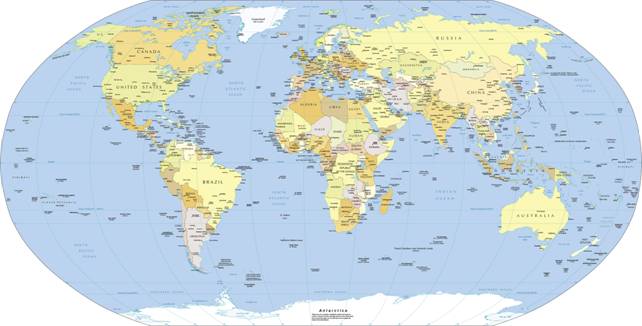
En nation eller et land er et makroindivid, som viser energitypedominanser, både sjælsmæssigt og personligt. Her kan vi studere energityperne i stor skala og få øje på psykologiske fællestræk, som vækker genkendelse, og som giver os nøgler til at forstå, hvorfor der er slægtskaber, samarbejde, konflikter og udfordringer mellem verdens lande. En nations sjæl vil altid udtrykke sig i dens mest fremtrædende og lysende kunstnere, politikere, forskere og andre pionerer, der fører landet ud over de snævre nationalistiske grænser, og ind i en mere universel og altruistisk retning. Mens nationens personlighedsaspekt vil varetages af alle de mennesker, der sørger for nationens basale behov.
Vi udvælger her en håndfuld eksempler med lande, som er velkendte, og som tydeligt fremviser energitypernes psykologi. Der er blevet givet værdifulde oplysninger om disse og andre nationer i Alice Baileys forfatterskab, som vi støtter os til, og som kan uddybe det, vi her kort berører.
Italiens energityper
Italien er et godt eksempel på et land, der kombinerer energitypedominanserne for den dedikerede og den kreative. Landets sjæl er domineret af den dedikerede energitype, hvilket giver nøglen til det italienske folks dybe, inderlige religiøsitet. Italienerne er disponeret for den meget følelsesbetonede, indlevende, og ofte mystiske religiøsitet, hvor bøn og indlevelse i Jesu liv spiller en central rolle. Det er ikke tilfældigt, at den romerske kirke og Vatikanet har sæde i Italien. Italien har via sit sjælsaspekt været fokuspunkt for udbredelsen af mange af de højeste idealer i verden gennem såvel Romerriget, renæssancen, og den katolske kirke. Det er Italien, som dannede rammen om den hellige Frans af Assisi og hans særlige spiritualitet, og Italien er stadig den dag i dag et særdeles religiøst land. På det mere personlige plan viser den kreative energitype sig både gennem en stærk kunstnerisk åre, et heftigt temperament og en europæisk rekord i politisk ustabilitet og omskiftelighed. Italienerne er sanselige, charmerende, gestikulerende og varmblodede, helt i pagt med den kreative energitype.
Verdens nationer udfolder i stor skala præcis den samme psykologi, som vi udviser mellem hinanden, menneske til menneske.
Frankrigs energityper
Frankrig er uden tvivl et meget intellektuelt land, som har stærke traditioner for mental udfoldelse. Det er et land med stærke filosofiske traditioner, hvilket afspejler landets personlige energitype. Også sprogets forfinelse og nationale udtryk for dannelse viser den mentale energitypes fremtrædende rolle. Filosoffer som Jean-Paul Sartres eksistentialisme, Henri Bergsons intuitive tænkning og Michel Foucaults strukturalisme i nyere tid er gode eksempler, ligesom andre berømte repræsentanter for strukturalismen og den postmoderne tænkning. I oplysningstiden var tilblivelsen af den franske menneskerettighedserklæring i 1789 et stærkt eksempel på intellektuelt pionerarbejde, de franske encyklopædisters arbejde for at fremme lærdom og sund, kritisk sans, var helt i særklasse, og navne som Voltaire, Rousseau og Diderot er mejslet ind i den europæiske kulturhistorie. At Frankrigs sjælsenergitype anses for at være den analytiske, er måske godt illustreret af tænkeren og forskeren René Descartes, der i renæssancen var pioner, både inden for filosofien, matematikken og den moderne naturvidenskabs tilblivelse. Blandt de banebrydende franske forskere kan nævnes kemikeren og mikrobiologen Louis Pasteur, der blandt mange opnåelser banede vejen for infektionsmedicin og praktisk immunologi. Frankrigs bidrag til verden er mange, men det er blevet sagt, at de vigtigste måske kommer fra den videnskabelige forskning og den intellektuelle, akademiske kultur.
Tysklands energityper
Tyskland er et meget godt eksempel på et andet centralt, europæisk land, der har spillet en markant rolle i historien. Tysklands personlighedsenergitype er den dynamiske, hvilket giver en nøgle til at forstå udtrykket ’tysk effektivitet’. Tysk mentalitet er handlingsorienteret og velorganiseret. Bagsiden af dette kom til udtryk gennem det voldsomme magtmisbrug, som nazismen demonstrerede under Adolf Hitlers ledelse. Her perverteredes viljesaspektet til sit yderste. Men da Tyskland er dynamisk og resolut, så har nationen også med stor beslutsomhed rejst sig fra ruinerne af sine egne fejl og har indtaget sin plads blandt hårdt prøvede lande i den globaliserede verden. Tysklands sjæl er kreativ, og derfor er det måske mere end noget andet gennem kunsten og evne til at skabe harmoni og fred, at Tyskland kan give sit bedste til verden. Nationen har uden tvivl bidraget med store tænkere og kulturfornyere i de seneste århundreder. Johann Wolfgang von Goethe er måske et af de mest slående eksempler, ligesom Friedrich Schiller. Sammen med komponister som Johann Sebastian Bach, Ludwig van Beethoven, Wolfgang Amadeus Mozart og Richard Wagner, for at nævne nogle af de kendteste, så ser man straks, at kunsten er en gave fra den tyske sjæl til verden.
Englands energityper
England er en nation, som helt på linje med de allerede nævnte har givet helt centrale bidrag, ikke alene til Europa, men til verden. Englands personlighedsenergitype er – som Tysklands – den dynamiske, og det forklarer måske, hvorfor det netop var disse to nationer, der udgjorde modstanderne under Anden Verdenskrig. England har været særdeles dominerende gennem Det Britiske Imperium, men det er lykkedes at skabe selvstændiggørelse af de tidligere, underlagte lande på en rimelig fredelig måde, og British Commonwealth består i dag af tidligere kolonilande, der er selvstændige, men nu samarbejder med Storbritannien. Disse omfatter blandt andet Sydafrika, New Zealand, Indien, Australien og Canada. I denne fredelige sammenslutning viser sig også Englands sjælsenergitype, som er den sensitive, universelt favnende. Her finder vi også årsagen til det store bidrag, nationen gennem århundreder har givet til udviklingen af den moderne parlamentarisme og demokratiet; en rolle der er svær at undervurdere.
Efter disse europæiske eksempler kan vi afslutte med kortere beskrivelser af andre udvalgte nationer, hvor sjæls- og personlighedsenergitypens dynamikker er lette at få øje på. Vi vælger fire gigantiske nationer:
Kinas energityper
Kina – verdens mest folkerige land – er en særdeles kraftfuld nation, der har en dynamisk sjælsenergitype og en mental personlighedsenergitype. Det giver en utrolig effektivitet og livsvilje, en tilpasningsevne og en særegen evne til handel og økonomisk vækst, som er i særklasse. Kina har til gengæld meget at lære fra den sensitive energitype om menneskerettigheder og etik.
Indiens energityper
Indien har også, ligesom Kina, en kraftfuld, dynamisk sjælsenergitype, som giver nationen en særegen styrke og udholdenhed, som ifølge landets historie også er forbundet med meget bevidste og dybe, spirituelle rødder. Den dynamiske energitype er optaget af identitet og Indien har om nogen givet sit spirituelle bud på, hvor vi kommer fra. Den personlige energitype er til gengæld den kreative, hvilket betyder, at der fra det kunstneriske og kreative område er kommet, og fortsat vil komme, nyskabelser sammen med særlige potentialer som fredsmægler. Den kreative energitype slår tydeligt igennem i hinduismens mangfoldighed af guder og gudinder i alle mulige skikkelser og farver. Måske Indiens Bollywood-industri er et af de moderne eksempler på landets selvudtryk. En beredvillighed til at anvende IT-industriens muligheder kunne tyde på, at også den mentale energitype spiller en vigtig rolle for Indien fremover.
Brasiliens energityper
Brasilien udgør en anden af giganterne blandt verdens nationer. Her er sjælsenergitypen den kreative og personlighedsenergitypen den sensitive, hvilket giver en varm profil, med vægten lagt på det sanselige og venlige gemyt. Brasilien har en feminin kvalitet og en farverig fremtoning, der blandt andet afspejler sig i fodboldspillet, de berømte karnevaller og sambaen. Med en stærkt voksende verdensøkonomi vil Brasilien, ligesom Indien og ikke mindst Kina, på afgørende vis præge fremtidens verdenssamfund.
USA’s Energityper
USA eller Amerika, den sidste stormagt vi kort berører her, har en dedikeret personlighedsenergitype, der giver en udpræget idealistisk holdning til livets udfordringer, og som både er med til at forklare Hollywood, amerikansk glamourindustri, puritansk kristendom og en tendens til fanatisme og enøjet trang til cowboy-mentalitet og dominans på det politiske område, når personligheden dominerer. Til gengæld giver sjælsenergitypen, som er sensitiv og universelt favnende, håb for en fremtid, hvor mangfoldigheden og forskelligheden værdsættes med en ægte, demokratisk indstilling. USA er i færd med at skulle omstille sig til en verden, hvor det ikke længere er den vestlige kultur, der dikterer standarterne, men hvor evnen til at samarbejde og respektere forskelligheder bliver helt uundgåelig.
Disse eksempler på mindre og større nationers energitypeaktiviteter viser os, at der er et samspil mellem, hvad vi udfolder i vores hverdag på det individuelle plan, og de dynamikker og processer vi er dele af i kollektiv forstand. Danmarks og de nordiske landes rolle er selvfølgelig her af betydning, og det kan være et inspirerende vink at fremhæve, at den sensitive og den praktiske energitype er blevet fremhævet som særligt skandinaviske egenskaber. Og herfra kan vi nu stille skarpt på, hvordan vi i samfundet ser alle energityperne i aktivitet.
Samfundets energitypespektrum
Et samfund er – som vi netop har set det med nationerne i makroskala – et udtryk for energityperne i kollektiv størrelse, netop som det viser sig i de fælles samfundsfunktioner vi alle har, bidrager til og er afhængige af. Vi skaber på denne måde det kollektive individ, fællesskabet, som vi er en del af, og som vi gennem vores egne individuelle og specialiserede dominanser placerer os i ud fra talenter, interesser og særlige muligheder. Når en energitype er noget, vi oplever sammen, så kalder vi det i øvrigt et energifelt. Og som det skal vises her, så tilgodeser ethvert samfund alle energitypernes udfoldelse.
Helt overordnet møder vi den dynamiske energitype i det, der kaldes magtens tredeling i et samfund: 1) Den lovgivende, 2) den dømmende og 3) den udøvende magt. Alle tre magter er aspekter af den dynamiske energitype i kraft af den bestemmende og styrende vilje, men med vægten lagt forskelligt. Først har vi det mest direkte udtryk for den dynamiske energitype og viljesaspektet, den lovgivende magt. Den lovgivende magt er i Danmark folketinget, den parlamentariske beslutningstager, der kan ændre og vedtage landets love, selve grundvolden og fundamentet for vores samfund. Dernæst har vi den del af den dynamiske energitype, hvor det sensitive element spiller ind, den dømmende magt, hvor rettigheder og lovgivning har til opgave at beskytte både individet og samfundet. Den dømmende magt udgøres af domstolene, og af det juridiske system.
Et samfund er et udtryk for energityperne i kollektiv skala, som det viser sig i de fælles samfundsfunktioner vi alle har, bidrager til og er afhængige af.
Endelig har vi den del af den dynamiske energitype, hvor det mentale eller formskabende aspekt er vigtigt, nemlig den udøvende magt, som udfører og virkeliggør det, som de to andre magter har bestemt. Den udøvende magt håndhæver loven og omfatter politi og fængselsvæsen – her konkretiseres dét, som den lovgivende magt har bestemt, og som den dømmende magt har fulgt. Vi ser her, at den dynamiske energitype er forbundet med samfundets ledelse på tre forskellige måder, der i miniatureudgave indeholder de tre primære energityper, alle farvede af ledelsesaspektet:
- Lovgivende magt Den retningsgivende vilje (dynamisk i reneste form)
- Dømmende magt Den værdibestemmende vilje (dynamisk & sensitiv)
- Udøvende magt Den strukturerende vilje (dynamisk & mental)
Samfundets dynamiske side
Samfundets dynamiske energitype viser sig tydeligt i statsmagten, i regeringen, alle dens ministerier og myndighederne generelt. Det er med andre ord den politiske verden i særdeleshed, hvor der træffes afgørelser og laves bestemmelser for nationens samfund og kultur. Det er viljens afgørende og retningsgivende kraft i kollektiv sammenhæng. Det omfatter også domstole, militær, brandvæsen og politi, som resolut handler for at beskytte, bevare og forsvare.
Samfundets sensitive side
Et lands sensitive energitype viser sit ansigt i alt, der har at gøre med de bløde værdier og medmenneskelighed. Det omfatter naturligt alt, hvad der har at gøre med etik, værdibaserede aktiviteter, sundhed og medmenneskelighed, omsorg og pleje. Funktioner som skoler, børnehaver, hospitalsvæsen, serviceerhverv, f.eks. sundhedssektoren og uddannelse er derfor helt centrale.
Samfundets mentale side
Nationens mentale energitype kommer til udtryk i kommunikation, hvilket i vores tid specielt vedrører IT eller informationsteknologi og inddrager internettet med dets mange funktioner og brug af telefon, satellitter og andet højteknologisk udstyr, der indebærer kommunikation. Det involverer også samfundsfunktioner som tænketanke, reklameindustri, serviceerhverv i form af transport, kommunikation, handel, børs og finansvæsen med forretningslivet og markedskræfternes spil, og det inddrager massemediernes enorme rolle, såvel som embedsarbejde og diplomati.
Samfundets kreative side
Den kreative energitype i samfundet udfolder sig i den store vifte af kunst og kulturliv, der omfatter et stort spektrum med eksempelvis teatre, museer, afholdelse af festivaler, udstillinger, musikevents og lignende begivenheder, hvor en stor mangfoldighed af kreative udtryk går op i en højere enhed. Det omfatter hele underholdningsbranchen og modebranchen og har også at gøre med funktionerne i f.eks. restaurations- og hotelbranchen. Men også områder som psykologi og konfliktmæglervirksomhed hører under denne energitype.
“Vi må altid forandre os, forny os, revitalisere os selv. Ellers forhærder vi”.~ Johann Wolfgang von Goethe
Samfundets analytiske side
Den analytiske energitype udfolder sig i samfundets forskningsmæssige og teknologiske aktiviteter, hvilket indbefatter alle former for forskningsinstitutioner, universiteter og højere læreanstalter, tekniske institutter og uddannelsesinstitutioner som sådan. Det er i dag en omfattende aktivitetsmængde og et område, hvor der er en intensiv udvikling, f.eks. inden for lægevidenskab, rumforskning, kemi og mikrobiologi, nanoteknologi, atom- og astrofysik.
Samfundets dedikerede side
Den dedikerede energitype i nationens liv er let at få øje på i skikkelse af de mange humanitære organisationer, som udfører livsvigtigt arbejde, socialt arbejde generelt, frivilligt hjælpearbejde, religiøse institutioner, og foreningslivet i det hele taget, hvor mange mærkesager følges til dørs gennem stort commitment. Filantropiske aktiviteter, indsamlinger ved katastrofer og organisering af hjælpearbejde, hjælp til nødstedte og opmærksomhed på vigtige behov viser den idealistiske kvalitet i samfundets udvikling.
Samfundets praktiske side
Endelig kan vi se den praktiske energitype i et lands organisatoriske funktioner gennem hele den økonomiske cirkulation og energiudfoldelser i logistik, transport, varefabrikation, industri, kloakering og energiforsyning i form af el, gas, vand, olie og vedvarende energi. Det omfatter også fysiske udfoldelser så som sport og idræt, ligesom det vedrører militærets konkrete og velkoordinerede, fysiske opgaver i nationens tjeneste. Når energi skal bevæge sig fra en tilstand til fuld udfoldelse og gennemførelse, lige meget hvad, så er der altid et element af den praktiske energitype i aktivitet.
Fra denne store makroskala kan vi nu bevæge os ned i mindre skala for at se energitypernes udfoldelse og ikke mindst samspil i kollektive funktioner.
Energitypernes facetter i en virksomhed
Hvis vi tager et firma eller en virksomhed som eksempel på en arbejdsplads, hvor mange mennesker arbejder sammen for at skabe bestemte produkter, så kan vi i dets hovedfunktioner se energityperne i aktivitet og samspil. I toppen af systemet findes to ledelsesaspekter, nemlig bestyrelsen og direktionen. Bestyrelsen svæver over vandede og træffer helt overordnede beslutninger. Det vil også typisk være bestyrelsen, der ansætter den øverste ledelse, direktionen, de topledere, som under sig har afdelingsledere, hvis virksomheden har en sådan størrelse.
En bestyrelse udgør normalt mindst en trehed, som i koncentreret form typisk rummer de tre primære energityper. Selvom rollerne ikke altid er tydeligt fordelte, så er den klassiske version, som også kendes i foreningslivet, i sin enkleste form tre funktioner. Bestyrelsesformanden repræsenterer lederen eller den dynamiske. Dernæst repræsenterer sekretæren den sensitive energitype, som holder sammen på helheden og registrerer og nedfælder, hvad der sker. Endelig udgør kassereren det sidste primære led i en bestyrelse, og har at gøre med beregninger og det kvantitative aspekt af arbejdet i form af det finansielle.
”Konkurrence har vist sig at være nyttig indtil et vist punkt og ikke længere. Men samarbejde, som er det vi må stræbe efter i dag, begynder hvor konkurrence stopper”. ~ Franklin D. Roosevelt
Beslutningstagning og retning
Under bestyrelsen finder vi i en virksomhed direktionen eller den daglige ledelse. Ledelsen eller direktøren og afdelingslederne udtrykker naturligt den dynamiske energitype, som går i front og træffer de retningsbestemmende beslutninger. Her kan der selvfølgelig være tale om mange forskellige kombinationer, alt efter firmaets struktur og formål, men der er tale om den vigtigste, bestemmende kraft. Impulserne fra initiativtageren eller grundlæggeren får her liv og giver virksomheden sit formål og sin bestemmelse i verden. Ledelsen udtrykker virksomhedens ’derfor’ eller særlige mission. Det er fremdriften for den bærende idé bag virksomhedens eksistens og særlige originalitet eller bidrag til samfundet.
Trivsel og relationer
en virksomhed vil den sensitive energitype komme til udtryk gennem betydningen af menneskelige kontakter og selve det kvalitative, der giver et godt og trygt arbejdsmiljø. Nogle gange hjælpes dette på vej gennem arbejdet udført af sekretæren, receptionisten eller konsulentbistand i form af rådgivning eller måske hjælp fra coach, psykolog eller medarbejdere, som får indført rekreative aspekter på arbejdet. Når en virksomhed overser det sensitive aspekt og lader det dynamiske og mentale få uhæmmet indflydelse, så sker det altid på bekostning af arbejdsmiljøet og de menneskelige faktorer, som i sidste ende sikrer menneskelig kvalitet og et sundt arbejdsmiljø. Det er et klassisk eksempel på menneskelig svigt i effektivitetens navn, og det betaler sig aldrig i længden. Det kan derfor med fordel tages seriøst at investere i menneskelige relationer, sundhed og varme på arbejdspladsen. Alt for ofte skyldes det svigt fra ledernes side, som ikke har nok føling med, hvad der sker mellem mennesker, og hvordan situationer bedst kan løses.
Når en virksomhed overser det sensitive aspekt og lader det dynamiske og mentale få uhæmmet indflydelse, så sker det altid på bekostning af arbejdsmiljøet og de menneskelige faktorer, som i sidste ende sikrer menneskelig kvalitet og et sundt arbejdsmiljø. Det er et klassisk eksempel på menneskeligt svigt i effektivitetens navn, og det betaler sig aldrig i længden.
Hvis man ser på bundlinjen i en virksomhed, så vil en investering i sundhed og en tillidsfuld atmosfære med god kommunikation på tværs af grænser altid vise sig besparende i længden, fordi medarbejderne vil ønske at yde mere helhjertet, hvis de ved, at de ikke blot er udskiftelige møtrikker i et uoverskueligt maskineri, ledet af utilgængelige chefer, som ikke interesserer sig for fælles trivsel. Innovativ og værdibaseret ledelse og management vil være afgørende for virksomhedens balance og udvikling.
Kommunikation og idéskabelse
En virksomheds kommunikationsaspekt er naturligvis altafgørende, både for de interne funktioner, og for evnen til at være i levende udveksling med det omkringliggende samfund. Her kommer den mentale, strategiske energitype til sin ret. Under dette aspekt hører den vigtige idéudvikling og den nytænkning, som kan holde virksomheden i front inden for sit felt. IT, informationsteknologien, eller måden, information håndteres på i virksomheden eller organisationen, udgør en særdeles vigtig del af dette område, og der er derfor ofte brug for ekspertise her. Det er også virksomhedens tænketank og det markedsanalytiske arbejde, som må spille sammen med salgs- og PR-aktiviteterne.
Design og kreativitet
Virksomhedens kreative område involverer både selve bygningens og lokalernes indretning og det image, man vælger at promovere, så det har meget med selvopfattelse at gøre, ligesom det har med ’branding’ og design at gøre. Hertil behøves dygtige folk med æstetisk sans og evne til at fremme et harmonisk miljø, hvor de forskellige funktioner samarbejder på en livgivende og energiskabende måde. Mange virksomheder tænker i højere grad på kunst i dag, ligesom indretning søges afpasset behovet for identitet.
Hele området med psykisk arbejdsmiljø og det mentale klima i en virksomhed inddrager både den sensitive og den kreative, psykologiske energitype. Men det er vigtigt, at det ikke bare handler om image udadtil, for stedets atmosfære kan ikke lyve over for medarbejderne. Det kreative felt handler også om at balancere interesser, og inddrager derfor konflikthåndtering og krisestyring på den bedst tænkelige måde med psykologisk sans. I visse virksomheder inddrager området også tillidsmandsfunktionen og eventuelt behov for mægling. Da mange virksomheder er intenst fokuseret på produkternes salg og bundlinjen, så forsømmes de bløde værdier let, hvilket både går ud over det sensitive og kreative, konfliktløsende felt.
Ekspertise og detailviden
Enhver virksomhed har sin helt egen ekspertise, netop hvad angår de produkter, som er dens speciale. Her har vi området, hvor de særlige specialister kan udfolde sig med afgrænsede nicher og de kompetencer, der udvikles i laboratoriet eller værkstedet. De udgør analytikerne eller teknikerne og montørerne, som sørger for, at produkterne fungerer og anvendes rigtigt. Og hvis ikke virksomheden selv har disse folk, så må der skabes gode samarbejdspartnere, der kan levere det ønskede.
Produktkampagne og salg
PR-arbejdet udgør den platform, som sikrer, at produkterne og firmaets særlige profil bliver synlig og tilgængelig for aktuelle og potentielle kunder og partnere. Her kommer den dedikerede eller idealistiske energitype til sin ret, og motivationskraften kommer i centrum. Det udgør et helt specielt område i sig selv, som omfatter reklamekampagner med ’branding’, sælgernes arbejde og præsentationen af virksomhedens identitet og evne til at opfylde behov. Der kræves engagement og en smittende evne til at gøre produktet attraktivt og troværdigt. Arbejdet kan omfatte forskellige typer servicepersonale, som skaber kundepleje, mediedækning og måske særlige tilbud, der viser produktet som fordelagtigt. Det kræver anvendelse af knowhow og ressourcer fra det kreative designs område, og der skal skabes både visuelle virkemidler og brug af de rette beskrivelser. Kreative designere og tekstforfattere bruges i samarbejde med de medarbejdere eller partnere, som kan bringe produktet ud til kunderne.
Fremstilling og levering
Den praktiske energitype forankrer virksomhedens aktivitet og lader dets produkter komme ud i verden. Det sætter fokus på produktionen, administrationen og logistikken – shipping eller transport – økonomiens flow og anvendelsen af de konkrete ressourcer og den organisering, som sikrer resultatet. Her må der også være orden i juraen og der må finde en løbende kvalitetskontrol sted, så de udbudte varer lever op til forventninger og løbende kan forbedres. Og som det her er blevet vist, kan samtlige energitypers funktioner ses i aktivitet i forbindelse med en virksomhed eller organisation. De samme principper gælder i foreninger. Det eneste, som må gøres, er at se, hvordan funktionerne er gældende i de konkrete tilfælde, og hvilke variationer de udviser. Ved at have øje for alle faktorer er det også muligt at optimere en virksomhed eller forening, og det gælder ikke mindst, hvad angår samspillet mellem de forskellige medarbejdere.
”Ingen enkelt person kan fløjte en symfoni. Det kræver et helt orkester at spille den”.~ Halford E. Luccock
Læs artikler i samme kategori: Roberto Assagiolis artikel: Den nationale sjæl og personlighed og Psykosyntese – individuelt og samfundsmæssigt
Sådan kan du komme videre
Her kan du modtage syv gratis meditationer, hvor du udvikler forskellige sider af dig selv
Læs også artiklen Psykosyntese en integral psykologi og biografien om Roberto Assagioli
Læs introartiklen om energipsykologi
Læs introartiklen om integral meditation
