

Artiklen er en glimrende introduktion til Roberto Assagiolis psykosyntese og den tid den udviklede sig i. Douglas Russell gennemgår de mange psykologiske indflydelser som påvirkede psykosyntesens udvikling og definerer psykosyntesens særlige kendetegn.
Af Douglas Russell, M.S.W. Oversat af Kenneth Sørensen.
Dette er den første af to artikler. Den anden hedder: Psykosyntesens syv grundbegreber – se denne. De blev oprindeligt publiceret i Psychosynthesis Digest, Forår/sommer 1982.
Bemærk at der i denne artikel forekommer faglige udtryk som kan være svære at forstå, men de vil ofte være forklaret i den psykologiske ordbog. Kig efter et grønt link med (?), det er en indgang til en forklaring.
Douglas Russell, M.S.W. har været medskaber og underviser på træningsforløb i psykosyntese i over ti år (skrevet i 1982) fra starten af de tidlige 70’ere. Han har også arbejdet som psykoterapeut og konsulent med privat praksis og som en medicinsk socialarbejder inden for det traditionelle sundhedsvæsen. I 1980erne skiftede hans fokus i forhold til psykosyntesen fra undervisning til udgivelse af artikler mv. Han har skrevet adskillige artikler om psykosyntese teorier, produceret et lydbånd om disidentifikation , udgivet fem numre af Psychosynthesis Digest, og er medforfatter på tre bøger.
Han praktiserer ikke længere psykosyntese på professionel basis. Han arbejder i dag på deltid som social arbejder på UCLA Medical Centers skadestue og derudover designer han MS Access Databaser. Han anvender fortsat psykosyntesens principper i sit liv og arbejde, med dens betoning af både at være grundet og spirituel , idealistisk og praktisk og rettet mod det gode arbejde der skaber en evolution mod højere værdier og bevidsthed .
Du kan kontakte Doug på følgende mail: [email protected]
1. Introduktion
Den teoretiske og praktiske anvendelse af psykosyntesen påbegyndtes med den italienske psykiater Roberto Assagiolis arbejde. I en doktor afhandling fra 1910 præsenterede Dr. Assagioli hans vision om en holistisk tilnærmelse til psykologien med betoning af vækst og omfattende menneskets erfaringer med de spirituelle dimensioner. Han formål var at skabe en psykologi der inkluderer hele mennesket og som fokuserer sine studier på de højere aspekter af den menneskelige natur.
I hans efterfølgende arbejde med at udvikle psykosyntesen får Assagioli følgeskab med et voksende antal studenter og kollegaer fra mange lande. Nogle læste blot hans artikler, nogle studerede med ham personligt og mange blev inspireret til at praktisere psykosyntesen. Enhver kunne bidrage til udviklingen af psykosyntesen på deres egen individuelle måde, og de tilpassede psykosyntese principperne og teknikkerne til de samfund hvori de arbejdede. Ingen ortodoks metode blev anvist til anvendelse for psykosynteseterapeuter og ingen centraliserende organisation blev formet.
Ved at forblive åben og tilpasningsdygtig overfor en lang række personlige og kulturelle variationer, etablerede psykosyntese bevægelsen en ramme for stor rigdom, variation og kreativ frihed. På den samme tid ledte dens åbenhed og mangfoldighed til en vis grad af fragmentation. Der var ingen overordnet koordination af bevægelsen. Der eksisterede ingen formel struktur, hvor uafhængige forskere kunne dele deres nye indsigter i psykosyntese. Intet menneske kunne skabe et præcist billede af psykosyntesen i sin totalitet.
Et andet problem i forbindelse med at skabe et helhedsindtryk af psykosyntesen har været dens åbenhed overfor vedvarende vækst. Selve dens natur er dynamisk og i bevægelse. Der har været en tilbageholdenhed i forhold til at definere den og at formulere en præcis teori, eftersom definitioner kan være begrænsende. Den bliver ofte beskrevet som en proces og en livsstil i stedet for en teori eller en specifik holdning.
Jeg tror at psykosyntesen nu har nået et stadie hvor elementerne til en komplet teori nu kan dukke op. Litteraturen og den praktiske anvendelse af psykosyntese har skabt et genkendeligt tema – et bestemt mønster, der giver psykosyntesen en unik identitet. Psykosyntesen har grænser, dens særlige betoninger og en underliggende enhed, der giver den en bestemt position inden for den vestlige psykologi.
For at bibringe psykosyntesens helhed og særegenhed, har jeg skrevet to artikler. Sammen præsenterer de et billede af et åbent system med en specifik historisk baggrund og en bred struktur af forbundne begreber. Denne artikel, Psykosyntese og vestlig psykologi, udforsker udviklingen af psykosyntesen og flere væsentlige vestlige og østlige indflydelser, som har påvirket denne udvikling. Den efterfølgende artikel, Syv grundlæggende begreber i psykosyntesen, præsenterer syv typer af ideer, som former grundlaget for en teori om psykosyntese.
2. Udvikling mod helhed.
I løbet af de adskillige tiår, hvor psykosyntesen bevægede sig frem imod en sammenhængende helhed, forblev den forholdsvis ukendt inden for den vestlige psykologis område. Som et foster i livmoderen voksede den i stilhed næsten ubemærket. Assagioli plejede den gennem sit skrivearbejde og undervisning. I løbet af denne tid, var der nogle få kollegaer, som hjalp med at opdage og formulere forskellige aspekter af psykosyntesen gennem intuitive udforskninger som terapeuter og undervisere. De trak deres inspiration fra mange kilder i Øst og Vest.
I 1960’erne var der skabt psykosyntese centre i adskillige lande, og litteraturen fra Assagiolis medarbejdere blev publiceret. Psykosyntesen havde udfoldet sig fra en enkelt mands vision til et unikt og mange-facetteret væsen. Tresserne var en periode med hurtig vækst, hvor mange nye centre blev oprettet i Europa og Amerika. Nye kurser og workshops blev præsenteret på professionelle konferencer og til offentligheden, og en voksende kerne af psykosyntese litteratur blev publiceret.
Assagiolis første bog, Psychosynthesis blev publiceret i 1965 og et væld af psykosyntese pamfletter blev trykt. Ved udgangen af dette årti var der udviklet professionelle uddannelser for psykoterapeuter i Europa, Canada og i USA.
Psykosyntesen havde levet i relativ upåagtethed, men var nu et udadvendt , aktivt barn. Dets identitet var endnu ufuldendt og ikke fuldt modnet, men dets omrids og dets potentialer blev tydelig for enhver at se. Inden for den større ramme af vestlig psykologi, blev psykosyntesen anerkendt som en af mange humanistisk/eksistentialistiske tilnærmelser som blev omfavnet af et tiltagende antal professionelle.
I 1970’erne fandt den unge psykosyntese bevægelse sit sande hjem i feltet for den vestlige psykologi. I dette tiår, fokuserede et voksende antal psykologer på behovet for at integrere de spirituelle og transpersonlige aspekter af de menneskelige erfaringer indenfor den videnskabelige psykologi. De anerkendte fremkomsten af den transpersonlige psykologi, som en vigtig ny udvikling inden for psykologien. Psykosyntesen var i sin essens en transpersonlig tilnærmelse fra starten, og mange professionelle kunne nu påskønne den som en betydningsfuld faktor i deres arbejde.
Fra midten til slutningen af 70’erne udviklede nogle uddannelser i psykosyntese psykoterapi uddannelsesplaner med godkendte afsluttende eksamener. Dette var et tegn på at psykosyntesen havde nået et stadie af helhed. Den havde udviklet en sammenhængende identitet. Den kunne undervises til andre systematisk inden for anerkendte træningsprogrammer.
Denne helhedsopfattelse og brede struktur og forskellige typer af teknikker, der kunne kommunikeres gennem træningsprogrammer til terapeuter – er egentlig kun en facet af psykosyntesen. Der er nemlig klare indikationer på en større helhed der nærmer sig. Træningsprogrammer for undervisere har udviklet sig gennem mange år, og nogle grupper har udforsket anvendelsesmulighederne inden for andre områder end den professionelle træning. Programmer for personlig og spirituel udvikling er nu blevet udviklet, tilpasningen af psykosyntese til interpersonelle relationer og til sociale grupper bliver udforsket, og der er tydelige tegn på en bevægelse mod en omfattende teori om psykosyntese og mod forskning.
De forskellige typer af psykosyntese deler en tradition, som denne artikel fortsætter med at udforske i den næste sektion. Psykosyntesens natur bliver tydeligere når man relaterer den til fire udviklingsfaser inden for den vestlige psykologi; psykoanalytisk, behavioristisk, humanistisk og transpersonlig. Carl Jungs, William James’, og Abraham Maslows arbejde bliver behandlet som vigtige vestlige indflydelser, mens raja yoga og karma yoga bliver præsenteret som vigtige østlige indflydelser på psykosyntesen.
3. Psykologiens fem bølger
En model til at beskrive den vestlige psykologis historie opridser adskillige vigtige faser i dens udvikling. Abraham Maslow foreslog denne model, da han betegnede den humanistiske anskuelse som den ”tredje bølge”. Han indikerede at humanistisk psykologi var en vigtig udvikling, der adskilte sig fra psykoanalysen og den behavioristiske psykologi. Han forventede også en fjerde og en femte bølge som kan kaldte ”transpersonlig” og ”transmenneskelig.” (Goble, 1970)
Assagioli erkendte også de fem bølger og benævnte den femte som ”psyko-energetik.” (Assagioli, 1980) Dette er studiet af alle erfaringer udtrykt som energi, og forbinder den moderne psykologi med den nye fysik. (Gerard, 1973) Psykosyntese er tæt forbundet med den tredje, fjerde og femte bølge. Forskellige psykosyntesister betoner en eller flere af disse tre i deres arbejde. Min holdning er, at psykosyntesen essentielt er en transpersonlig fjerdebølge anskuelse. Eftersom den femte bølge er forholdsvis uudviklet, koncentrerer jeg mig om de første fire bølger når jeg i det efterfølgende udforsker psykosyntesens natur.
To videnskabelige tilnærmelser til studiet af den menneskelige adfærd og psykologiske helbredelse begyndte ved århundrede skiftet med Sigmund Freuds og John B. Watsons arbejder. Adskillige brillante psykologer inkluderende Alfred Adler, Otto Rank, Carl Jung, William James og Roberto Assagioli udviklede alternative teorier efterhånden som det 20. århundrede opsteg. Dog forblev Freuds psykoanalyse og Watson’s behaviorisme de dominerende kræfter indenfor psykologien i en hel del tiår. Psykoanalytikeren påviste den indre verden af tanker og følelser, og et ”ubevidste” der blev formet i barneårene. Behavioristen fokuserede deres studier på den ydre adfærd der var observerbar og målelig.
Psykoanalysen og behaviorismen fortsatte med at dominere helt ind i 1950’erne, mens en ny trend indenfor psykologien voksede ud af eksistensfilosofien. En ”menneskelig potentiale bevægelse” (human potential movement) dukkede op og var sammenfaldende med den sociale frihedsbevægelse i 1960’erne og de forlod det strikte mekanistiske syn på menneskets natur. De menneskelige anliggender kom især i forgrunden. Identitet, autencitet, nervøsitet, lidelse, mening, kærlighed, det menneskelige møde, social forandring. Humanistiske og eksistentialistiske anskuelser indenfor psykoterapi blev så udbredte og effektive, at de blev anerkendt af mange som psykologiens tredje bølge. (Goble, 1970; Van Kaam, 1960)
Førend den humanistiske bevægelse havde fundet sin endelige form blev en fjerde kraft identificeret og udviklet i 1960’erne og 1970’erne som transpersonlig psykologi . Den transpersonlige anskuelse fokuserer på evnen til at nå det ekstraordinære, det mirakuløse, det transcendente . Denne fjerde bølge psykologi har som formål at forstå og opfostre det menneskelige potentiale til at opleve højere niveauer af bevidsthed , ”supermenneskelige” evner, spirituelle discipliner, universelle kvaliteter og energier, essens og global udbredt synergi.
4. Assagiolis pionerarbejde
Gennem 1970’erne var der en stigende anerkendelse og accept af den transpersonlige psykologi som den fjerde bølge i psykologien. I det samme tiår, udviklede psykosyntesen sig til en sammenhængende identitet, og til en art helhed. De tidlige udforskninger af Assagioli og hans medarbejdere forvarslede mange af de vigtige aspekter i den fjerde psykologi. Kombineringen af adskilte udviklinger indenfor psykologien til en sammenhængende struktur, foreningen af det videnskabelige og spirituelle, studiet af alternative virkeligheder og højere bevidsthedstilstande, og fremførelsen af muligheden for vækst ud over egoet. Som følge af dette arbejde var det et naturligt trin for psykosyntesen, at den blev anerkendt som en etableret del af den transpersonlige psykologi.
Psykosyntesen var humanistisk og transpersonlig siden dens undfangelse i 1910. Roberto Assagioli var forud for sin tid. Han var pioner for en anskuelse som først blev bredt anerkendt ved tidspunktet for hans død i 1974.
I de tidlige dage, da Assagioli tog radikal afsked med psykoanalysen , forkastede han ikke alle de psykoanalytiske ideer og teknikker. For ham var psykoanalysen god, så langt den rakte, men den forblev begrænset. Hans mål var at inkludere de psykoanalytiske ideer i en bredere form. Denne tanke – at de nye udviklinger indenfor psykologien kunne inkludere de foregående indenfor rammerne af et større hele – ville senere blive en nøgleantagelse indenfor den transpersonlige psykologis teori. (Wilber, 1979, 1980)
Assagioli troede fast på at hans afsked med den rene behaviorisme og psykoanalyse ikke var en afvisning af videnskab:
” vores position bekræfter, at alle de højerestående manifestationer af den menneskelige psyke, såsom kreativ forestilling, intuition , aspiration, genialitet er facts, som er lige så virkelige og vigtige som de betingede reflekser og derfor er tilgængelige for forskning og behandling lige så videnskabeligt som de betingede reflekser.
Vi accepterer den ide at spirituelle drivkræfter og energier er ligeså virkelige, basale og fundamentale som de seksuelle og aggressive drifter. De skal ikke reduceres til sublimerede eller patologiske forvrængninger af de seksuelle og aggressive komponenter i den menneskelige personlighed, selvom der i mange neurotiske tilfælde også kan findes sådanne elementer tilstede.
Det vi håber at se udviklet over en periode af år, og som vi sandelig ikke hævder, er blevet opnået, er en videnskab om selvet og dets energier, dets manifestationer og hvorledes disse energier kan blive forløst, hvordan de kan kontaktes og hvorledes de kan anvendes konstruktivt i det terapeutiske arbejde.” (Assagioli, 1965)
Her ser vi igen, hvorledes Assagioli var en frontløber for et nøgleelement i den transpersonlige teoridannelse. Charles Tart, fx, frembragte en stærk sag for en syntesemellem det videnskabelige og spirituelle i hans transpersonlige psykologier. (Tart, 1975)
5. Indflydelsen fra Jung

C. G. Jung
Selvom psykosyntesen forblev bag scenen i de tidlige tiår af dette århundrede (20.årh.) var Assagioli ikke alene. To prominente samtidige hvis ideer var særdeles forenelige med hans egne var Carl Jung og William James. Disse to mænds arbejde har været en vigtig kilde til inspiration for udviklingen af psykosyntese .
Jung var, ligesom Assagioli, en lært der studerede mange kulturer og spirituelle traditioner. Jung var specielt fascineret af billeders og symbolers funktion i den menneskelige psyke. Han formulerede ideen om det kollektive ubevidste – et universelt menneskeligt erfaringsområde. Han vendte sig mod drømmenes og fantasiens verden som en rig kilde til forståelse af den menneskelige udvikling. Som årene passerede, begyndte psykosyntesen stærkt at anvende de personlige og universelle symboler til at fremkalde healing og vækst. Guidede forestillinger (guided imagery ) blev et vigtigt redskab i psykosyntese psykoterapi og uddannelse . Assagioli tilpassede og udvidede mange Jungianske begreber og andre psykosyntesister har fortsat denne tradition.
6. Indflydelsen fra James
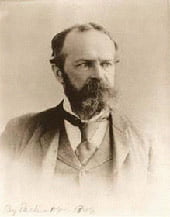
William James
William James var den anden samtidige med Assagioli som bidrog betydningsfuldt til udviklingen af psykosyntesen. James var specielt interesseret i højere bevidsthedstilstande. I kontrast til psykoanalytikeren på hans tid, hvis fokus var at skabe det veltilpassede individ, som var effektiv i den sociale ”virkelighed”, da udforskede James mange alternative virkeligheder.
Assagioli troede, ligesom James, at en virkelig videnskabelig holdning inden for psykologi forudsætter et åbent sind – en vilje til at undersøge alle det psykologiske livs fænomener. Psykosyntesens teori om Selvet inkluderer en forklaring af erfaringen med at gå udover den almindelige virkelighed. Disse transcendente erfaringer har været rapporteret af kreative genier inden for åndslivet og videnskaben, såvel som af mystikere indenfor mange kulturer.
Erfaringen med forhøjede bevidsthedstilstande – af alternative virkeligheder, der ligger bag egoets verden, udenfor den kulturelle konsensus på en bestemt tid og sted – blev set som et legitimt område for undersøgelse inden for psykologien før 1920’erne. Endnu engang, psykosyntesen var et fokuspunkt for den fjerde bølge adskillige tiår før. (Walsh and Vaughan, 1980)
7. Indflydelsen fra Maslow
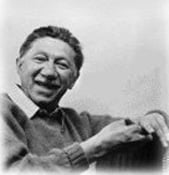
Abraham Maslow
Den tredje og fjerde bølges sædekorn findes i Abraham Maslows arbejde. (Maslow , 1968, 1971) Psykosyntesen er dybt forenelig med Maslows ideer. Assagioli og andre psykosyntesister herunder Crampton, Gerard og Haronian, trak stor inspiration fra Maslows arbejde.
Maslow afveg fra mange af de store psykologer før ham ved det, at han studerede sunde mennesker – begavede, kreative og effektive mennesker. Hans forgængere studerede sædvanligvis neurotikere eller psykotikere og uddrog derfra en teori om den menneskelige natur og metoder til helbredelse. Maslows vej var en betydningsfuld afvigelse fra dette og det passede perfekt med Assagiolis betoning af menneskets højeste potentialer og muligheder – hvad Maslow til sidst kaldte ”The Father Reaches of Human Nature”. (Maslow, 1971)
8. Psykosyntesen betoner det praktiske
Psykosyntesister omfavnede dele af Maslows arbejde for at gøre deres eget arbejde mere sammenhængende og holistisk. Maslow udviklede abstrakte ideer om sunde mennesker og psykosyntesister designede praktiske teknikker til at imødekomme den naturlige udviklingsproces mod sunde tilstande. Maslows forskning indikerede at især produktive og effektive mennesker havde hyppige højde punkts oplevelser – oplevelser der transcenderede deres normale hverdagsverden. Psykosyntesister før og efter Maslows tid udviklede specifikke meditationer, forestillingsteknikker og gruppeprocesser der skabte en holdnings atmosfære der gør det muligt at højdepunktsoplevelser sker. De udviklede også metoder til ”grounding”, der bringer den udvidede opmærksomhed eller identitet fra højdepunktsoplevelsen ind i hverdagslivet, således at livskvaliteten transformeres.
Maslow studerede kreative mennesker og definerede mange af deres karakteristika. Psykosyntesister bevægede sig mod en systematisk udvikling af metoder til at forøge kreativiteten. Med udgangspunkt i den humanistiske og tredje bølges interesse i kærlighed, udviklede psykosyntesesisterne metoder til at kontakte og udtrykke kærlighed. Crampton gav psykosyntese gruppearbejdet opløftende kommunikation fra hjertet (Crampton, 1972). Stauffer udviklede rollespils teknikker til at transcendere vrede, praktisere tilgivelse og udtrykke ubetinget kærlighed (Stauffer, 1975). Gerard udviklede en forestillingsteknik til at kontakte og udtrykke kærlighed i interpersonlige relationer (Gerard, 1967). Mange af Maslows og andres ideer er kommet til live som praktiske teknikker indenfor psykosyntese arbejdet.
Efter at have præsenteret nogle af de parallelle udviklinger indenfor psykosyntesen og i psykologien generelt, vil jeg nu gå videre til at diskutere flere detaljer der gør psykosyntesen unik. Jeg vil sammenligne og bringe psykosyntesen i kontrast med hver af de fire vigtige bølger i psykologien. Derefter vil jeg gå videre med at udforske naturen af psykosyntesen som en spirituel psykologi.
9. Den første bølge: Psykoanalysen
 Psykoanalysen er baseret på en medicinsk model: man diagnosticerer mennesker og sørger for behandling så de kan blive velintegreret i det sociale miljø. Psykosyntesen er baseret på et udviklingssystem: man vurderer menneskers styrker og svagheder og assisterer dem i selvudvikling, selvopfyldelse og transformation. De usunde virkninger af negative barndomsoplevelser, identificeret af Freud som årsager til neurotisk adfærd bliver anerkendt og arbejdet med aktivt i psykosyntesen. Nogle gange bliver forsvar og modstande mod sundhed og udvikling konfronteret med psykoanalytiske fortolkninger.
Psykoanalysen kigger mod det personlige ubevidste baseret på fortiden, som kilden til psykologiske problemer. Psykosyntesen inkluderer at man også kigger på det ”højere ubevidste” – fremtidens og de skjulte potentialers verden – og den konfronterer blokeringer imod at opdage og aktualisere de skjulte talenter og muligheder.
I det terapeutiske forhold, erstatter nogle psykosyntesister termen doktor og patient med ”guide” og ”rejsende” og dermed forandres nogle af de traditionelle psykoterapeutiske metaforer i retning af forøget selvtillid. Fordi psykosyntesen går udover behandling af sygdomme til opfostringen af helse og udvikling er det en undervisningsmæssig såvel som en terapeutisk tilnærmelse.
10. Den anden bølge: Behaviorismen
 Mens behavioristerne studerede observerbar adfærd, udforskede psykosyntesen dybt inde i personen – følelsernes og billedernes verden, tro og holdninger, og de dybere lag af den indre værenskerne. Ikke desto mindre, har der altid været en central betoning af adfærdsændring i psykosyntesen. Indsigt er ikke nok: ”grounding” er også nødvendig. Grounding indebærer konkret handling baseret på nye indsigter, således at livskvaliteten og relationerne forandres i psykosynteseprocessen .
Måske var en af Assagiolis største gaver evnen til grounding: en evne til at oversætte det abstrakte ind i det praktiske. Han oversatte østlige spirituelle begreber til vestlige psykologiske termer.
Psykosyntesen afmystificerede sådanne begreber som forestilling, intuition og vilje og formulerede systematiske metoder til at træne dem. Psykosyntesen har også direkte implementeret anden bølge ideer: den behavioristiske metode til ”systematisk desensitivering”, en teknik der retter sig mod fobier, er blevet kombineret effektivt med guidede forestillinger af psykosyntese terapeuter. (Gerard, 1961)
11. Den tredje bølge: Humanistisk psykologi
Assagioli omtalte de mange fællestræk mellem tredje bølge psykologien og psykosyntesen i introduktionen til hans første bog. (Assagioli, 1965) Han opstillede disse fællestræk: Den centrale interesse for den menneskelige identitet; anerkendelse af at ethvert menneske er unikt; værdsættelsen af udvikling; erkendelse af ethvert menneskes evne til at opdage livets mening; bekræftelsen af vores evne til at tage ansvar og være opmærksomme på motiver; vedkendelse af den rolle som livets ængstelse og lidelse spiller; og at se fremtiden som en dynamisk faktor i nutiden.
Assagioli fortsatte derefter med at opstille forskellene – aspekter som han mente krævede særlig betoning i psykosyntesen i kontrast til andre eksistentialistiske/humanistiske retninger. Han noterede den store vægt på viljen som en essentiel funktion ved Selvet; ideen om et Selv der er en erfaring af opmærksomhed uden indhold; erkendelse og den aktive opfostring af positive, kreative og glædesfyldte erfaringer; ideen at ensomhed ikke anses for at være ultimativ eller essentiel; anvendelsen af ”aktive teknikker:” 1. Til transformation, sublimering, eller omdirigering af psykologiske energier. 2. Til styrkelse af uudviklede funktioner og 3. Til aktivering af overbevidste energier og latente potentialer; og den bevidste og planlagte rekonstruktion af personligheden.
Denne liste er værd at kaste et tilbageblik på og kontemplere over. Den giver et kortfattet og sammenhængende billede af de mange nøgleelementer som psykosyntesen består af.
Psykosyntesens særegenhed bliver understreget ved at sætte den i kontrast til særlige humanistiske anskuelser der slog igennem i tresserne. Rationel stemningsbetonet terapi fx, der arbejder med sindet og udvikler nye måder at resonere på for at forandre emotionelle mønstre. (Ellis, 1961) Psykosyntesen opmuntrer også til nye måder at anvende det tænkende sind på men inkluderer opøvelsen af de ikke-rationelle mentale funktioner. Specielle øvelser tilbydes som træner sindet til at indtage en centreret holdning, fokusere og dirigere energier, og blive mere intuitivt.
En anden humanistisk anskuelse, Gestalt terapien, har lagt vægt på arbejdet med følelserne, ved at forblive i nuet og var inspireret af Zen. Psykosyntesen, der ikke udelukker arbejdet med følelserne, lægger vægt på arbejdet med sindet og arbejder hen imod fremtiden, og var inspireret af raja yoga og karma yoga . Gestalt filosofi og teknikker bliver ofte anvendt i psykosyntesen for at tilvejebringe opmærksomhed og en fornemmelse af ansvar for sig selv og sine handlinger. Det spirituelle aspekt i psykosyntesen udvider denne opfattelse af ansvar ved at betragte ethvert individs udvikling i en bred sammenhæng: Enhver person er et integreret medlem af forskellige grupper og af den større familie som menneskeheden udgør med ansvar for at støtte andres udvikling samtidig med sin egen. (Assagioli, 1965)
12. Den fjerde bølge; Transpersonlig psykologi
Jeg har beskrevet hvorledes at psykosyntesen forvarslede mange af nøgleelementerne i psykologiens fjerde bølge: inkludering af de tidlige udviklinger i et nyt hele; sammenknytningen af det spirituelle og videnskabelige; studiet af højere bevidsthedstilstande, og opfostringen af udvikling udover egoet. Nogle i den transpersonlige bevægelse gik dybt ind i meditative og esoteriske studier, mens psykosyntesister vedblev med at betone oversættelsen af den abstrakte forståelse til praktiske øvelser og ind i den vestlige psykologis teorier. Andre transpersonlige tilnærmelser forfulgte dybe udforskninger af hjertets vej eller de spirituelle aspekter af kropsarbejdet, mens psykosyntesister fortsatte med at betone udforskningen af ånden gennem sindets og handlingens vej. Disse kontraster viser psykosyntesens unikke farve blandt andre transpersonlige anskuelser, men psykosyntesen har egentlig som sit mål at opnå den harmoniske balance af kærlighed og vilje , og en integration af alle niveauer – fysisk, følelsesmæssigt, mentalt og spirituelt.
For at klarlægge psykosyntesens syn på det transpersonlige, lad os da kikke på psykosyntesens personlighedsmodel som en trepart struktur – fysisk krop, følelser, og det tænkende sind – med Selvet som et integrerende og koordinerende center. Hinsides personlighedens verden af hverdagshandlinger, personlige følelser og tanker er det transpersonlige: Området for abstrakt tænkning, intuition og de mystiske eller overbevidste erfaringer af sjælen eller det Højere Selv. De personlige anliggender transcenderes også af det større verdens gruppe liv – andre mennesker med alternative værdier, behov og synspunkter.
Psykosyntesens transpersonlige perspektiv er, at personligheden er et redskab gennem hvilket den højere bevidsthed kan blive udtrykt i hverdagslivet og at denne personlighed er indbyrdes afhængig af alle andre personligheder. Det transpersonlige er i et psykosyntese perspektiv ikke noget mystisk eller adskilt, men en levende erfaring som mennesket kan integrere i verdens daglige aktiviteter og forbindelser.
Man går ikke ind i en eller anden transcendent tilstand og efterlader personligheden og verden bag sig. Den højere bevidstheds kvaliteter og evner bringes ind i verden for at forvandle livskvaliteten her og nu. (Miller, 1981)
Indenfor psykosyntesen foregår bevægelsen ind i det transpersonlige i to overlappende faser. Fase 1 er den ”personlige psykosyntese” hvor målet er den personlige integration: skabelsen af en harmonisk personlighed. Dette opnås ved at lære sig centrering, en opnåelse af evnen til at disidentificere sig fra ego mønstrene, roller og personlighedsindhold og ved at identificere sig med det centrerede Selv indeni – personlighedens integrerende kraft.
Fase 2 er den transpersonlige eller ”spirituelle psykosyntese”, hvor målet er at skabe en syntese mellem den integrerede personlighed og de ekstraordinære kvaliteter og evner, der er kontaktet i de transcendente dimensioner. Det opnås gennem teknikken dialog med det højere- og transpersonlige Selv , og gennem meditation , visualisering, dagbogsoptegnelse og spirituelt gruppearbejde. Den spirituelle psykosyntese har som mål at fusionere det centrerede og personlige Selv med det Højere Selv indeni, således at individet bliver formålsfuld, vis, kærlig, kreativ og en positiv kraft i healingen og udviklingen af menneskeheden.
13. Psykosyntesen: En spirituel psykologi
Psykosyntesen opmuntrer til kreativ forandring. Det opfostrer nye udviklingsmæssige trin. Hvert trin betragtes som spirituelt når det ses i det perspektiv, at det er et element i det større mønster som ens livsformål udgør. Hvert trin er spirituelt når det gavner såvel en selv som andre og ikke skader nogen. Hvert trin er spirituelt når det tilvejebringer velbehag for hele livet.
Spiritualitet i psykosyntese betyder også en balance mellem tidspunkter med kamp og arbejde og humor og rekreation. Det betyder, at foretage handlinger som følger høje principper: en vilje til at være fast i forhold til uretfærdighed og modig i tider med modgang. At være spirituel er at leve ud fra værdier og holdninger som er humanistiske, progressive og demokratiske; at være aktivt beskæftiget med livets mening og formål; og at relatere sin egen personlige udvikling til den universelle udvikling.
Dette syn på spiritualitet er også fremsat af andre forfattere. En management konsulent skrev i ”In search of a Corporate Soul”, der taler om behovet for ”formålsfulde ledere” hvis opgave er at: ”… minimere den destruktive individuelle adfærd og at overtale mennesker til at ofre nogle af deres personlige mål og behov af hensyn til helhedens velfærd.” (D’Aprix, 1976) Carl Jung henviser også til dette synspunkt om det spirituelle i det moderne menneske, der søger sjælen. (Jung, 1933) Denne bog omtaler mennesker der ikke behøver være tilknyttet en organiseret religion, men som alligevel ” … har erfaret sjælen lige så tydeligt som kroppen og for hvem en religiøs holdning til livet er lige så essentiel og autentisk som en videnskabelig.” I psykosyntesen, er den religiøse term ”sjæl” relateret til de psykologiske begreber ”Højere Selv” og ”Transpersonlig Selv”.
Assagioli postulerede, ligesom Jung, at det spirituelle område ikke nødvendigvis er knyttet til nogen speciel religiøs gruppe, og at psykosyntesen trækker inspiration fra alle de store religiøse traditioner. De praktiske psykosyntese teknikker er nyttige supplementer til den formelle religiøse praksis, såvel som en forbedring af livskvaliteten for de mennesker der ikke er tilknyttet en bestemt religion. Det spirituelle i psykosyntesen indbefatter alt hvad der involverer højere værdier end det gennemsnitlige, herunder empatisk forståelse, altruistisk kærlighed, dyb visdom, kreativ inspiration, og påskønnelse af skønhed, en sans for ansvarlighed, en følelse af at ville bidrage, såvel som de såkaldte mystiske erfaringer af universalitet, og af enhed med kosmos. (Gerard, 1961)
14. Indflydelsen fra Raja Yoga og Karma Yoga

Patanjali og Raja Yoga
Ordet ”yoga” betyder ”yoke” – det åg hvormed en okse via et seletøj kan fastspændes til en plov. Yoga er at spænde sine energier fast ved at forfølge en disciplin. ”Yoga” betyder også ”forening”, at føle sig forenet med de højere menneskelige kvaliteter og med universelle mønstre og energier, eller i religiøs betydning, enhed med Gud.
I raja yoga plejes bevægelsen mod en høj livskvalitet af træningen af sindet . Det intellektuelle aspekt af sindet bliver næret gennem studier af abstrakte ideer og ved at udforske og anvise inspirerende undervisning. Som tilføjelse til disse brede perspektiver og nye kreative ideer, da påvirkes intellektet og forvandles af de høje energier som meditationen kontakter. Efterhånden som intellektet oplyses bliver kvaliteten af tænkningen løftet op.
Ved at oversætte raja yoga filosofien til den vestlige psykologis begreber og metoder, fostrer psykosyntesen en mental udvikling gennem studiet af de basale elementer – de fundamentale temaer i psykosyntese teorien – og gennem systematisk træning i meditation . Meditation i raja yoga systemet støtter evnen til selvbeherskelse (self-mastery) og selvinitieret forandring. Meditation udvikler det abstrakte sind. Sindets evne til at blive stille, til at fokusere, koncentrere, og dirigere tænkningen kreativt leder til nye erkendelser, nye erfaringer og nye måder at være i verden på. På denne måde udvider de specifikke psykosyntese øvelser sindets evne til at observere objektivt og at dirigere opmærksomheden med viljen .
De meditative teknikker begynder med simple koncentrationsøvelser for derefter at bevæge sig til ”dis-identifikationsøvelsen” hvor man mentalt foretager et identitetsskift væk fra bevidsthedens personlige indhold – bevægelser, sansninger, følelser eller tanker og identificerer sig med et center af ren opmærksomhed indeni – det personlige jeg. Mere avancerede meditationer indbefatter visualiseringer af det Højere Selvs symboler, lys, energi flow og energi felter. Forestillingskraften anvendes til at påkalde helbredende symboler og tanker og til at dirigere positive energier til sig selv og andre. Det fokuserede sinds kraft anvendes også til at skabe billeder, bekræftelser, mål, visioner, idealmodeller, som kan lede personligheden frem mod vækst.
Psykosyntesens engagement for at handle i verden, baseret på de indsigter man har opnået i det terapeutiske arbejde, øvelserne og meditationerne er relateret til karma yoga. Karma yoga er handlingens og arbejdets yoga i verden. Inden for denne disciplin, kan man bevidst foretage konstruktive handlinger hvormed man deltager i en større plan for den menneskelige evolution og på den måde opnå enhed med det større hele. At være spirituel betyder ikke, at man udelukkende sidder alene i meditation og bøn, men at man anvender de indre energier, indsigter og kvaliteter der er kontaktet og omsætter dem i hverdagslivet. Det kalder psykosyntesen ”grounding”. Inden for karma yoga anskuelsen, kan selv de mest simple og mundane sysler være en mulighed for at leve ud fra en udvidet bevidsthed eller høj værenstilstand. Skabelsen af glæde, fred eller en hvilken som helst stor kvalitet, mens man gør sine daglige rutiner, er en demonstration af spirituel psykosyntese.
15. Resumé
Psykosyntesen begyndte i 1910 da Roberto Assagioli satte sig for at udvikle en psykologi ud fra det hele menneske inkluderende den spirituelle dimension. Efter et halvt århundredes evolution, begyndte psykosyntesen at antage en sammenhængende identitet og anerkendelse inden for den vestlige psykologi.
I 1960’erne og 1970’erne begyndte psykosyntese centre at udvikle uddannelsesprogrammer, og uddannelsesplaner med godkendte afsluttende eksamener dukkede op. Det var et tegn på at psykosyntesen havde nået et niveau, hvor den kunne billedliggøres og kommunikeres som en helhed – en bred struktur med rødder i østlige og vestlige traditioner.
Tre vigtige indflydelser der har påvirket udviklingen af psykosyntese bliver diskuteret; arbejdet af Carl Jung, William James og Abraham Maslow .
Psykosyntesens vækst bliver udforsket i relation til de fire bølger inden for den vestlige psykologi; psykoanalysen , behaviorismen, humanistisk psykologi og transpersonligpsykologi. Psykosyntesen er i sin essens transpersonlig. Den omslutter elementer fra alle fire bølger, men vedbliver at have sin egen særegne identitet.
En omtale af psykosyntesen som et etableret aspekt af den fjerde bølges psykologi leder til et konkluderende afsnit hvor et psykosyntese perspektiv på spiritualitet bliver præsenteret. Influeret af raja yoga og karma yoga inkluderer psykosyntesen sindets og handlingens vej som vigtige aspekter af den spirituelle vej.
16. Referencer
1. Assagioli. Roberto “Jung and Psychosynthesis.” New York, Psychosynthesis.Research Foundation. No 19 l967
2. Assagioli. Roberto “La Terceras. Cuartas y Quintas Fuerzas.”Mexico City. Psychosynthesis Institute of Mexico City, Translated 1980.
3. Assagioli, Roberto Psychosynthesis, New York. The Viking Press, c. 1965.
4. Assagioli, Roberto “Psychosynthesis. Individual and Social.” New York. Psychosynthesis Research Foundation No 16. 1960.
5. Assagioli Roberto “Symbols of Transpersonal Experiences.” Journal of Transpersonal Psychology. Vol I, No 1 1969
6. Assagioli Roberto The Act of Will. Baltimore, Md., Penguin Books, 1971
7. Brenner Charles. An Elementary Text on Psychoanalysis, New York, International Universities Press ( 1973).
8. Crampton , Martha “Psychological Energy Transformations: Developing Positive polarizatlon.” Journal of Transpersonal Psychology. Vol. VI. No.1. 1974
9. Crampton Martha. “Toward a Psycbosynthetic Approach to the Group.” New York, Psychosynthesis Research Foundation, No. 28, 1972.
10. D’Aprix Roger. In Search of a Corporate Soul New York. Amacon. C.1976.
11. de Lazlo, Violet .ed. The basic writings of C.J. Jung. The Modern Library. C.1959
12. Dollard John and Miller, Neal, Personality and Psychotherapy. New York, McGraw-Hill c.1950.
13. Ellis, Albert Ph.D and Harper. Robert A.. Ph. D., A Guide to Rational Living, Hollywood, Calif. Wilshire Book Co. 1961.
14. Gerard Robert Preface to Saraydarian, H. Cosmos in Man. Agoura, Calif. Aquarian Educational Group c. 1961
15. Gerard Robert Psychosynthesis: A Psychotherapy for the Whole Man. New York, Psychosynthesis Research Foundation c. 1961
16. Gerard Robert, “Symbolic Visualization in Interpersonal Psychosynthesis,” Paper presented at the Seventh International Congress of Psychotherapy. Wiesbaden, West Germany
17. Goble Frank The Third Force, New York. Grossman Publishers. c. 1970.
18. Haronian Frank “A Psychosynthetic Model of Personality and Its Implications for Therapy” Journal of Humanistic Psychology. Fall 1975
19. James William The Varieties of Religious Experience. New York, The Modern Library. 1936, York The Modern Library 1916.
20. Jung C. Modern Man in Search of a Soul. New York. Harcourt. Brace. and World, Inc..
21. Kull, Steve. “Open Systems and Transformation.” From Plenary Forum at the International Psychosynthesis Conference. Florence, Italy. 1980.
22. Maslow, A.H. The Further Reaches of Human Nature. New York, The Viking Press, c.1971
23. Maslow, Abraham Toward a Psychology of Being. New York, D. Van Nostrand Co.. 1968.
24. Miller Ronald, “Psychology for the New Age.” An Interview with Robert Gerard. Ph.D. in Science of Mind. Los Angeles. Science of Mind Publications, April, 1981.
25. Perls. Frederick, M.D.. Hefferline, Ralph F.. Ph.D., and Goodman, Paul. M.D. Gestalt Therapy, New York. Dell Publishing Co. Inc.. c. 1971.
26. Ramacharaka. Yogi. Karma Yoga. Chicago. Yogi Publication Society. 1928.
27. Ramacharaka. Yogi. Raja Yoga. Chicago. Yogi Publication Society, 1994.
28. Russell, Douglas, “Developing Spiritual Intuition Through Intuition”. Santa Monica, Calif., Psychosynthesis Associates, c. 1977
29. Russell, Douglas, “Getting Our Selves Together: The Psychosynthesis Approach,” in The Whole Person Calendar, Santa Monica, Calif, January, 1980
30. Russell, Douglas,”Some Basic Constructs of Psychosynthesis,” Santa Monica, Calif., Psychosynthesis Associates, c. 1978.
31. Stauffer, Edith, “Applied Laws of Human Relations,” workshop at High Point Foundation, Pasadena, 1975.
32. Tart, Charles F., Transpersonal Psychologies, New York, Harper and Row, New York, c.l975.
33. Van Kaam, Adrian, The Third Force in European Psychology – Its Expression in a Theory of Psychotherapy, New York, Psychosynthesis Research Foundation, 1960.
34. Walsh, Roger N., MD.,, Ph.D., and Vaughan, Frances, Ph.D,, eds., Beyond Ego, Transpersonal Dimensions in Psychology. Los Angeles. J.P. Tarcher c.1980
35. Wilber, Ken, “A Developmental View of Consciousness,” Journal of Transpersonal Psychology, Vol. II, No, I, 1979.
36. Wilber, Ken, The Atman Project. Wheaton Ill., The Theosophical Publishing House, c. l980.
Sådan kan du komme videre
Her kan du modtage syv gratis meditationer, hvor du udvikler forskellige sider af dig selv
Læs også artiklen Psykosyntese en integral psykologi og biografien om Roberto Assagioli
Læs introartiklen om integral meditation
